
A Common-Sense Solution Hiding in Plain Sight
The Problem: Empty Waters, Rising Prices
Have you noticed your favourite local fish is getting harder to find, or the price at the fish shop is creeping up? Many commercial fishers and recreational anglers are complaining that species they once relied on—like Flathead in Port Phillip Bay or Squid and Calamari in South Australia—are disappearing.
We hear all the reasons why: overfishing, pollution, climate change. But there is another critical factor that few are talking about: The massive increase in the seal population.
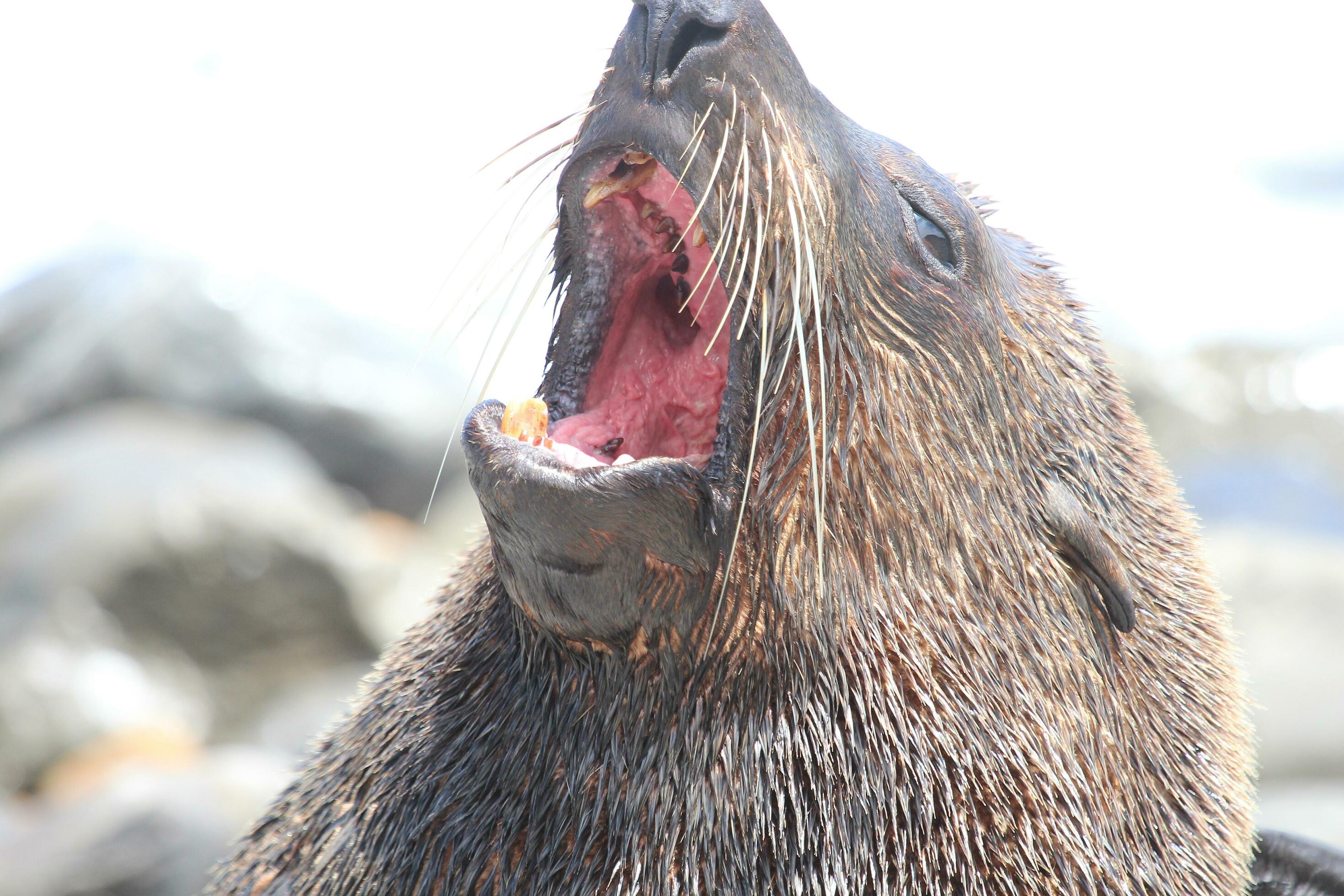
For years, research has shown that two key seal species—the Australian Fur Seal and the New Zealand Fur Seal (which is an import from across the Tasman)—are eating vast amounts of our wild fish stocks.
The Numbers That Matter to Your Dinner Plate
The science is clear. One major report, published by the government's own Fisheries Research and Development Corporation (FRDC) estimated that these two species consume up to 434,000 tonnes of wild fish every year.
To put that in perspective: the total amount of seafood caught by all Australian commercial fishers combined is around 150,000 tonnes per year.
This means the seals are eating three times more wild fish than the entire Australian commercial fishing industry catches.
If you, the consumer, are concerned about the lack of local fish, the soaring prices, and the need for a healthy ocean balance, this statistic should shock you.
A Common-Sense Fix: Managing Our Own Backyard
We protect native animals like the Australian Sea Lion. But the explosion in the population of these two species is now disrupting the natural balance of our waters, just like foxes or rabbits do on the land.
The Australian Fur Seal population is estimated to be over 200,000. These animals are powerful, highly adaptable hunters, and their numbers are increasing rapidly. Even respected global conservation bodies suggest that populations this large can sustain a managed off-take—which is just a common-sense way of controlling numbers to protect other native species and the entire ecosystem.
Imagine the difference it would make to local fish stocks if even a fraction of those 434,000 tonnes of fish was not consumed by seals.
- More local flathead for your fish and chips.
- More squid and other wild-caught species in your market.
- More financial stability for our small-scale fishing communities.
Why Isn't Anyone Talking About This?
Despite the scientific reports being available for over two decades, there is silence from the policy makers. This is because the EPBC Act of 1979—Australia's main environmental law—gives these two seal species full protection. Changing that law is politically difficult, even if the science now points to a necessary change.
But the silence is costly. It costs local fishers their livelihood, and it costs you, the consumer, more at the checkout.
Your Voice is the Deciding Factor
The government is currently reviewing the EPBC Act in the Federal Senate. This is the exact window of opportunity to demand change.
The ocean belongs to all of us—the consumers are in the majority, but we do not forget the anglers, the fishers, and the Indigenous communities. When the science shows that one species is having a disproportionate, negative impact on our shared resources, we must act with common sense.
It is time to demand that our politicians and environmental agencies stop ignoring the science. Ask your local MP and Senators to ensure that the EPBC Act review includes a serious discussion about removing full protection for these two voracious seal species, allowing for their populations to be responsibly managed.
Let us use common sense to bring back our local fish.
By John McDougall