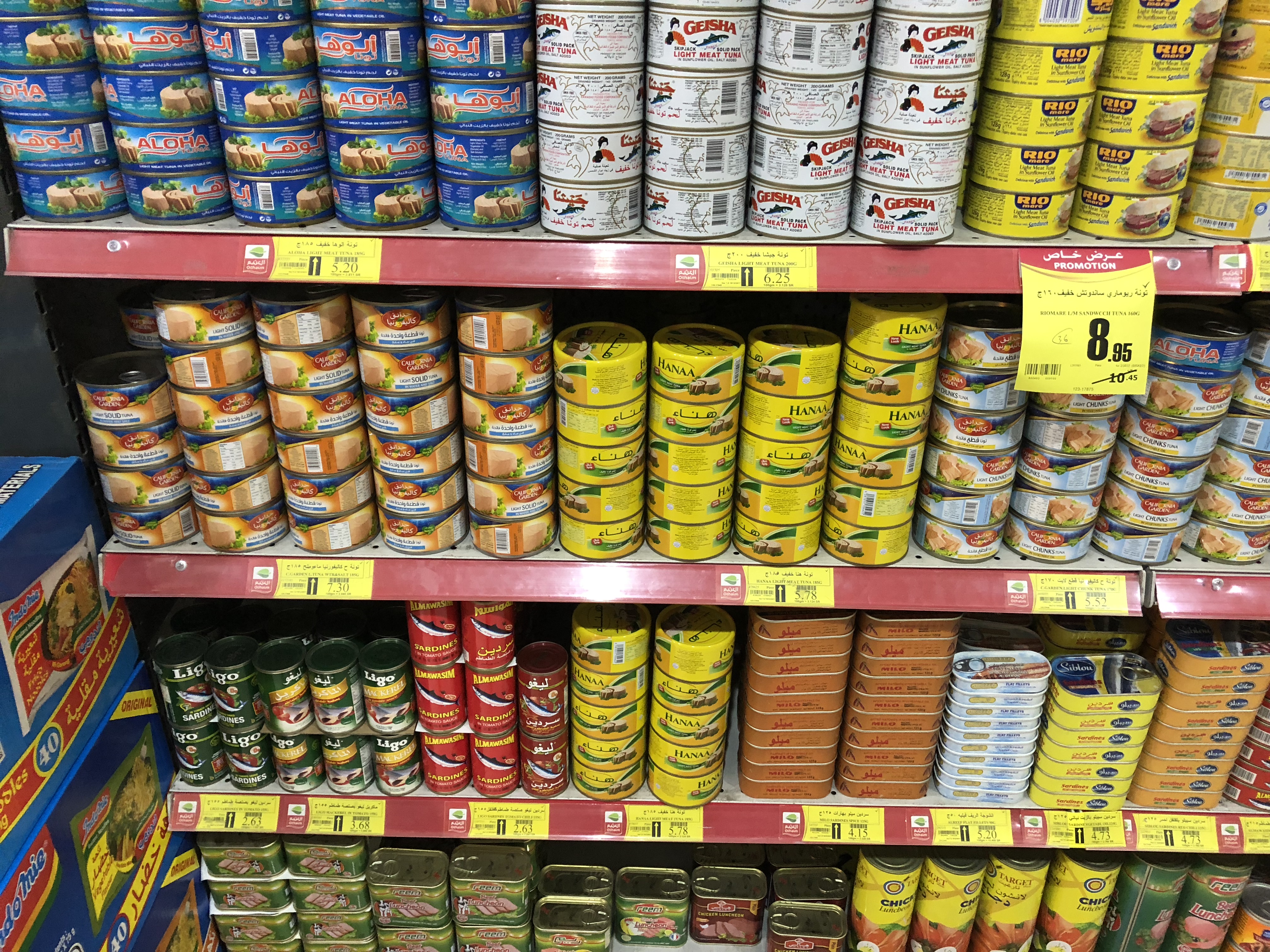

Canned Tuna is a staple in the Australian diet, prized for its convenience, affordability, and nutritional value. Yet behind each can on supermarket shelves lies a complex supply chain that spans oceans, countries, and regulatory regimes.
Understanding where Australia’s canned Tuna comes from, how it is processed, and the protections offered by legislation like the Modern Slavery Act can help consumers make more informed, responsible purchasing choices—without alarmism or sacrificing the benefits of this important food source. Can you buy Australian?
Where Does Australia’s Canned Tuna Come From?
Most canned Tuna sold in Australian supermarkets is not locally caught. Tuna is primarily sourced from the Western and Central Pacific Ocean, the Indian Ocean, and Southeast Asian waters. Australia does fish for Tuna, but the domestic catch (Southern Bluefin - SBT, Big Eye and Albacore) is insignificant compared to imports and is rarely, if ever, used for commercial canning.
Major Australian brands—including Safcol, John West, Sirena, and supermarket own-labels source their Tuna from countries like Thailand, the Philippines, Indonesia, Papua New Guinea, and the Solomon Islands. The Tuna is caught at sea, typically by large commercial vessels operating under fishing agreements with Pacific island nations and Asian governments, in accordance with the regulations of the Western and Central Pacific Fisheries Commission or the Indian Ocean Tuna Commission.
In Australia, we used to have canneries but the trend across the industry was a shift away from large-scale domestic canning due to economic pressures, leading major brands (like Greenseas/Heinz) to move production offshore. The Greenseas factory lasted from 1940 through till 1999.
Many people will recall the market entry of ‘Thorpedo’ Tuna in a Pouch promoted under the brand of Australian swimming great, Ian Thorpe, but that came and went. Like most things in marketing we hear when they arrive but rarely when they pass. It is exceedingly difficult taking on the larger organisations and getting the product into supermarkets.
Australia does have a few brave companies endeavouring to get a share of the Tuna business by focusing on Australian caught and processed Tuna, but these are in jars rather than cans – Little Tuna, Walkers Tuna and Fresh Fish Place are ones that come to mind. The latter offering ‘Hand caught, ranched SBT Spencer Gulf’ product – that is unique!
Processing and Supply Chain
After capture, most Tuna are shipped to processing facilities in Thailand or other Southeast Asian nations, where they are cleaned, cooked, canned, and labelled. Some companies have vertical integration, controlling both the fishing and processing, while others purchase raw material from fishing companies or brokers.
Once processed, canned Tuna is shipped to Australia and distributed to supermarkets and independent retailers nationwide. Many cans feature only the country of processing, not the country of catch; “Product of Thailand” often means processed there, but fish will have been caught thousands of kilometres away. Thailand does not catch even 1 kg of skipjack while being the biggest exporter of Tuna worldwide!
Modern Slavery Act: Shining a Light on Supply Chains
• The Australian Modern Slavery Act (2018) requires companies with annual revenue of AU$100 million or more to file public reports on actions taken to identify and address risks of slavery and human trafficking in their supply chains. This includes retailers, importers, and seafood companies – with supermarkets such as Coles, Woolworths, and Aldi now required to publish statements on their supply chains and risk management practices.
• These statements highlight high-risk sourcing regions (such as processing facilities in Southeast Asia), describe supplier audits and labour standards, and outline the challenges in achieving full transparency—especially for seafood harvested and processed far from Australia.
• While the Act has increased accountability and transparency in corporate sourcing, significant challenges remain. Supply chains are often opaque, complex, and dependent on overseas suppliers, with most Tuna processed in countries noted for weak labour enforcement. Labeling improvements are ongoing, but many cans still lack clear details about catch method, vessel, or crew conditions.
Quantities and Consumption in Australia
• Australians consume over 40,000 tonnes of canned Tuna each year, making it one, if not ‘the’, most popular seafood products in the country. Per capita, this means millions of households rely on canned Tuna for protein, omega-3s, and other nutrients – supporting both daily meals and food security.
• Canned Tuna is essential for many communities: it is shelf-stable, affordable, and widely available even in remote areas, helping bridge nutrition gaps and providing affordable seafood access when fresh options are out of reach.
Consumer Confidence: How Much Trust is Warranted?
• Australia’s Modern Slavery Act improves transparency, and most major retailers now publish supply chain statements outlining their efforts to source responsibly. However, supply chain complexity means complete verification of every step—from catch to can—is still difficult.
• While most Tuna sold in supermarkets is processed in high-risk regions, reputable retailers have strict supplier policies, and government regulation provides some assurance that egregious abuses are less likely than in unregulated informal markets. Nonetheless, consumers should remain vigilant: be wary of vague labeling and lack of country-of-catch information. If we are going to use FAO harvest areas, then there should be a map close to the product which highlights those fishing areas – people doing their weekly grocery have no time to check what this means. The country is an essential piece of information.
• Responsible sourcing is everyone’s business. By demanding better transparency, choosing brands that provide detailed sourcing information, and supporting broader regulatory improvements, Australian consumers help drive positive change throughout the supply chain—benefitting producers, workers, and the environment.
Tips for Australian Consumers
- Read labels carefully and look for product which has specific information about catch areas and processing, not just “manufactured in.”
- Prefer brands and retailers that publish Modern Slavery Statements and have clear policies on ethical and responsible sourcing.
- Whenever possible, purchase products that provide information about fishing methods (pole-and-line is regarded as lower impact and less risky for labour exploitation).
- Regional countries like Solomon Islands and Papua New Guinea have world-class canning industries, with sustainably managed fisheries and regulated labour conditions.
- If you want to buy Australian, then buy the jars online from one of the organisations mentioned above.
- Stay informed: support groups advocating for improved seafood traceability and worker rights and encourage retailers to adopt best practice standards.
Remember the benefits: canned Tuna is nutritious, readily available, and an important part of the national diet. Responsible consumption does not mean avoiding canned Tuna—it means making informed choices, encouraging ongoing improvements within the industry, and supporting Seafood Consumers Association in this area.
IMPORTANT - Canned Tuna remains an important source of affordable protein and nutrients in Australia. By understanding the supply chain, supporting transparency and responsible sourcing, and making informed responsible choices, consumers can enjoy canned and jarred Tuna while supporting ethical practices and positive change in the industry.
(Many thanks for our Fact Checkers)