
Australia is on the verge of creating its first National Food Security Strategy—a landmark plan designed to ensure every Australian can access affordable, nutritious food now and into the future. It’s a big moment. For farmers, fishers/harvesters, for public health experts, for communities across the country… and crucially, for seafood consumers.
More than 300 organisations have already put forward their views. Agriculture groups want resilient supply chains. Public health experts want nutrition front and centre. Community groups want fairness and affordability. But amid all these voices, one risk looms large:
Seafood could easily be overlooked.
That’s where the Seafood Consumers Association (SCA) steps in because the ocean may be vast, but the space seafood occupies in national policy discussions has historically been small.
Seafood and the Food Security Conversation: Why It Matters
When most people hear the term “food security,” they think of big staples—wheat, beef, milk, fresh vegetables. Rarely does seafood get mentioned, despite being one of the most nutrient-dense, health-promoting foods available to Australians. We have consistently had national food committees which have failed to ensure seafood has a place at the table and even now with the new Council formed it seems the errors of the past are not being corrected.
Food security for seafood means something very specific:
Being able to buy safe, fresh, nutritious fish and seafood at a price your household can afford, with confidence in where it came from and how it was produced.
Yet that reliability is increasingly under pressure—from policy decisions, supply chain disruptions, climate impacts, and rising costs.
If this Strategy doesn’t explicitly include seafood, consumers risk being left with fewer choices, higher prices, and less trust in what ends up on the dinner plate.
Health First: The Nutritional Case for Seafood
One of the clearest messages from public health submissions is that food policy must focus on health, not just production. Australia faces a dual nutrition crisis—too much ultra-processed food and not enough nutrient-rich fresh food options.
Seafood directly answers this challenge.
High in omega-3s, protein, vitamins, and minerals, it is recommended in the Australian Dietary Guidelines and plays a major role in preventing chronic diseases.
Yet availability is not guaranteed.
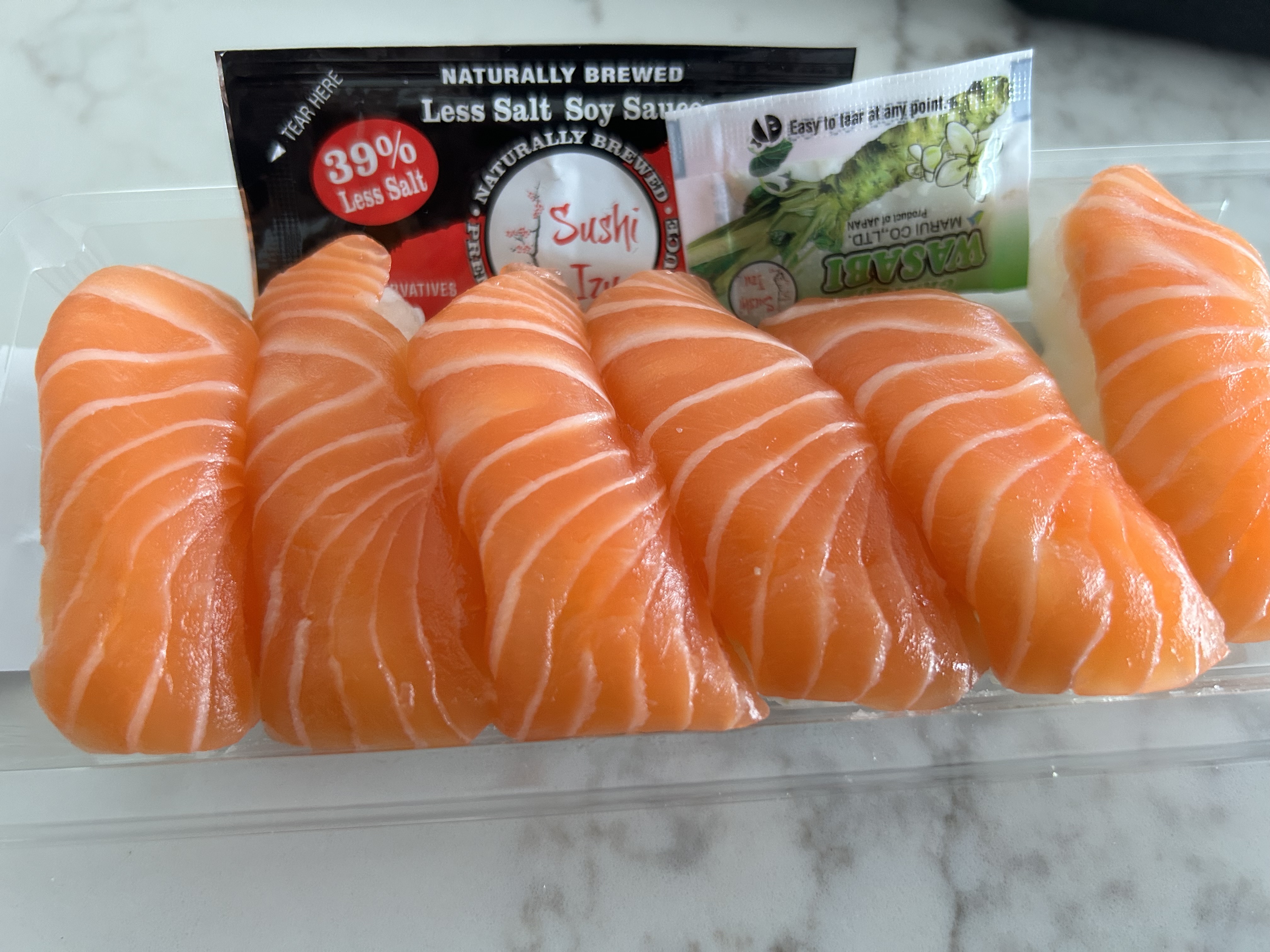
Families in regional towns know the frustration: beautiful local fish caught in nearby waters, yet hard to find or unaffordable at the supermarket. Policy settings, licensing changes, supply chain decisions, and market pressures can rapidly make a healthy option become a luxury item.
Victoria offers a clear example. A decade ago, consumers could buy locally caught Snapper, Whiting or Gummy straight from the bay. Today, the retreat of local commercial fishing—due to political and policy choices—means families rely far more on imported products or expensive niche alternatives. And it all happened without meaningful consumer consultation. Victorians should not have to buy a fishing rod or get a bank loan for a fishing dinghy to have sufficient seafood to keep their seafood consumption up to minimum levels as recommended by the Australian dietary guidelines.
The lesson?
When consumers are not at the table, choices disappear from the table.
Resilience: Preparing for the Next Shock
Whether bushfires, pandemics, floods, or algal blooms, the past decade has shown how fragile food supply chains can be. Seafood is particularly vulnerable: it needs clean water, healthy ecosystems, functioning ports, reliable cold chains, and clear safety systems.
Consumers want to know that when disasters strike:
- contaminated or unsafe seafood will never reach their plates,
- transparent information will be available quickly, and
- supply will resume without unnecessary delays or price spikes.
A national strategy must therefore include a dedicated resilience plan for fisheries, aquaculture, and seafood distribution, including how governments communicate risk and safety during events like fish kills, biosecurity breaches, or coastal pollution incidents.
Fair Access: Because Healthy Food Should Not Be a Luxury
Regional Australia is one of the loudest voices in this consultation process. Communities repeatedly stressed that nutritious food is either too expensive, too far away, or simply not an option.
Seafood is no exception.
Coastal communities—ironically those closest to the water—often have the least consistent access to affordable fresh fish due to export-driven markets, limited local processing, and infrastructure neglect. A truly national strategy must value:
- local ports and processing hubs,
- cold storage facilities,
- fair local pricing for local consumers,
- and community-based seafood systems such as local cooperatives, markets, and direct-from-fishers models.
These aren’t luxuries. They are the backbone of a food-secure country.
A National Food Council: Consumers Need a Seat
One thing is clear from the submissions: Australia needs a Food Council that includes more than industry and government. Consumers deserve a guaranteed voice—one that translates complex science into simple, trustworthy information and ensures decisions reflect household realities, not just commercial priorities.
That’s why the SCA is advocating for a Consumer Confidence Guarantee built into the Strategy, centred on:
- Simple Safety Information – clear, science-based answers about contaminants, sustainability, mercury, origins, and species identification.
- Affordable Nutrition – policies that make Australian seafood accessible to every family, every week.
- Transparency – from labelling to traceability, so consumers know exactly what they’re buying.
Your Voice Matters
Seafood must not be an afterthought in Australia’s biggest food policy reform in decades. The Strategy will shape what ends up on your plate, what you can afford, and what choices your children will have.
The Seafood Consumers Association will continue to champion your interests—but we need your stories, your experiences, and your voice.
Share your experience:
How easy is it to buy good seafood where you live? Has it become too expensive? Are you unsure what’s trustworthy?
Stay involved:
Sign up for SCA updates as we follow the development of the National Food Security Strategy.
Support our advocacy:
Help ensure seafood is firmly included—not sidelined—in Australia’s food-secure future.
Because in the end, food security isn’t just about producing enough food.
It’s about ensuring every Australian can share in the health, pleasure and cultural heritage of good seafood, every day.