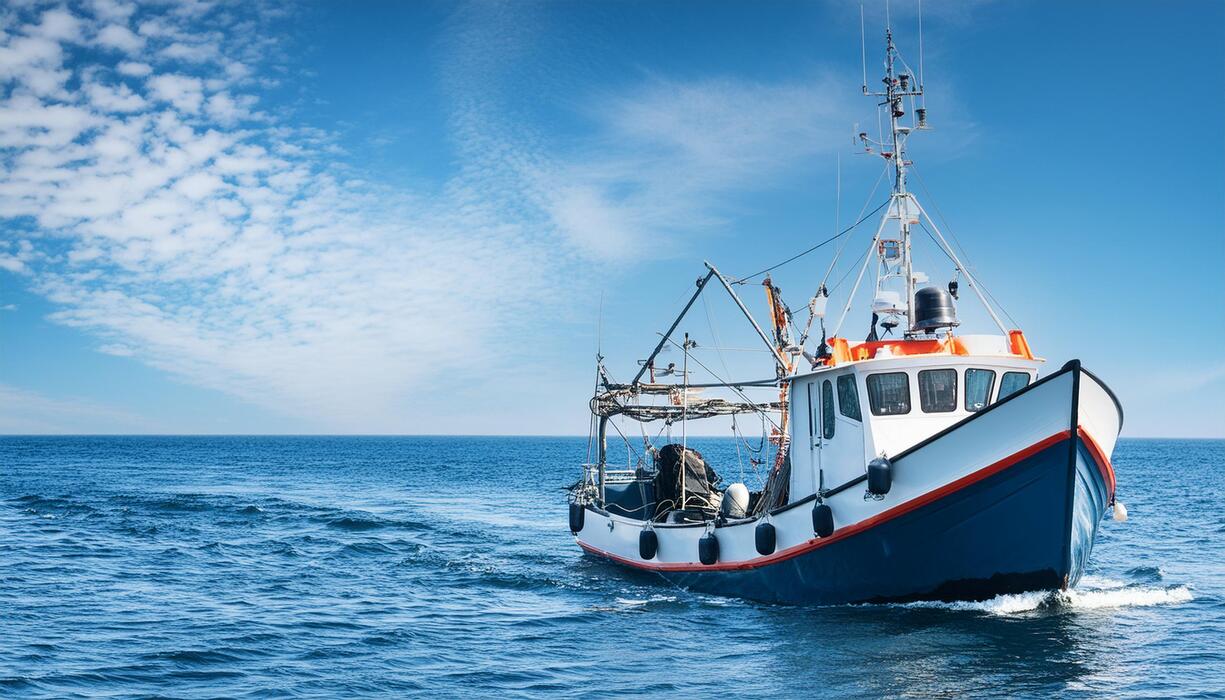
For most of us, the "High Seas"—the vast waters starting 200 nautical miles from shore—feel like a world away. Yet, these waters cover nearly half the planet and provide a significant portion of the seafood that ends up in our markets. For years, this area has been a "Wild West" with very little oversight.
That changed recently with the adoption of the High Seas Treaty (the Biodiversity Beyond National Jurisdiction, or BBNJ, agreement). But beyond the diplomatic jargon, what does this mean for you as a seafood consumer?
1. A New Standard for Traceability
One of the biggest issues in the global seafood trade is "seafood fraud"—where fish is mislabelled or substituted. Because the High Seas were largely unregulated, it was easy for illegally caught fish to enter the supply chain. The Treaty creates a framework for better international cooperation and data sharing.
- The Consumer Impact: In the long term, this should lead to higher confidence that the fish you are buying is exactly what the label says it is. Transparency is the first step toward a trusted dinner plate.
2. Protecting the "Seed Bank" of the Ocean
The Treaty allows for the creation of Marine Protected Areas (MPAs) in the high seas. While some might worry this limits fishing, it acts as a "savings account" for the ocean. By protecting migratory routes and breeding grounds, we ensure that fish stocks remain healthy and abundant for generations to come.
- The Consumer Impact: This is about availability. By protecting the ocean’s "seed banks," we reduce the risk of stock collapses that lead to skyrocketing prices and empty shelves at your local fishmonger.
3. Sharing the "Blue Wealth" (Marine Genetic Resources)
A fascinating part of the Treaty involves Marine Genetic Resources (MGRs). These are the "biological codes" of deep-sea organisms that could lead to new medicines or even sustainable aquaculture feeds. The Treaty ensures that the benefits of these discoveries are shared equitably, rather than being monopolized by a few wealthy nations.
- The Consumer Impact: This could accelerate innovation in sustainable aquaculture, leading to healthier, more nutrient-dense farmed fish that are more affordable and widely available.
4. The "Light Bulb" Moment: Food Security as a Right
At the Seafood Consumers Association, we believe the focus should always be on positive action. The High Seas Treaty shouldn't be seen as a set of barriers to stop fishing, but as a set of rules to ensure fishing is done right.
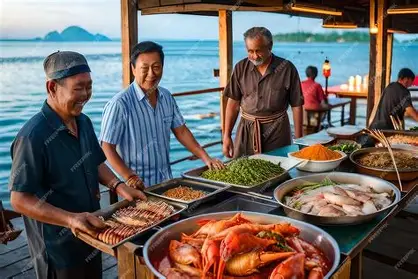
As we have seen in markets like Mexico and the Kingdom of Saudi Arabia, when you align policy with what the consumer needs—healthy, accessible, and trusted protein—the entire system wins. The High Seas Treaty is a global attempt to do exactly that: make the ocean’s bounty sustainable so it remains a reliable source of nutrition for everyone, not just the privileged few.
The Bottom Line
The High Seas Treaty is about moving from "Wild West" chaos to a system of accountability. For the consumer, this means:
- Better Trust: Less chance of IUU (Illegal, Unreported, and Unregulated) fish on your plate.
- Long-term Affordability: Stable fish stocks mean more stable prices.
- Ethical Consumption: Knowing that the global community is working to protect the "blue lungs" of our planet.
The ocean is our greatest shared resource. This treaty is a significant step toward ensuring that "High Seas" seafood remains a healthy, ethical choice for your family.
Comments
No comments yet.