

The Food and Agriculture Organization of the United Nations (FAO) has released the Director‑General’s Medium-Term Plan 2026–29 and Programme of Work and Budget 2026–27. Buried in the budget tables is a powerful idea that should excite every seafood consumer: FAO now treats “consumer awareness” as one of four global priority triggers for transforming agrifood systems.
For the Seafood Consumers Association (SCA), this is not just another high‑level UN document. It is a clear mandate – and an opportunity – to push for standardised, truthful seafood labelling in Australia as part of a global shift towards transparent and accountable food systems.
FAO’s Four Priority Triggers – and Why They Matter to Seafood
In the Medium-Term Plan, FAO identifies four “priority triggers” that can kick‑start real change in how the world produces, trades and consumes food:
“FAO also identified four priority ‘triggers’, considered effective starting points for transformative processes:
a) Institutions and governance: Requiring stronger, more transparent and accountable institutions both within and outside agrifood systems.
b) Consumer awareness: Leveraging growing environmental and health consciousness to influence producers and their production processes.
c) Income and wealth distribution: Improving distribution among and across societies to reduce inequalities, including urban and rural poverty, and enhance food security.
d) Innovative technologies and approaches: Promoting technological, social and policy innovations while ensuring equitable access and minimizing risks of exclusion.” (Qu 2025, p. 11)
These are not abstract ideas. For seafood consumers, they translate into very concrete challenges – and levers for change.
1. Institutions and Governance: From “Trust Us” to “Show Us”
FAO is blunt: we need “stronger, more transparent and accountable institutions” inside and outside agrifood systems. In seafood, that means:
- Regulators and standards bodies enforce clear rules on labelling, traceability and origin.
- Industry bodies and certification schemes that back sustainability claims with evidence, not just marketing language.
- International rules (like the WTO’s Fisheries Subsidies Agreement) that are linked to consumer‑facing transparency, not only government‑to‑government reporting.
For SCA, this trigger validates our long‑standing argument: seafood labelling and traceability are governance issues, not “marketing extras”. If consumers cannot see what species they are buying, where it came from and how it was produced, governance is failing at the point where it matters most – the plate.
2. Consumer Awareness: A Global Lever SCA Can Pull Locally
The second trigger could almost have been written for SCA’s mission:
“Consumer awareness: Leveraging growing environmental and health consciousness to influence producers and their production processes.”
FAO is recognising that informed consumers can shift markets. When shoppers and diners demand legal, sustainable, honestly labelled seafood, they create powerful incentives for:
- Retailers to clean up supply chains.
- Restaurants to stop using vague or misleading names.
- Importers to avoid high‑risk IUU (Illegal, Unreported and Unregulated) sources.
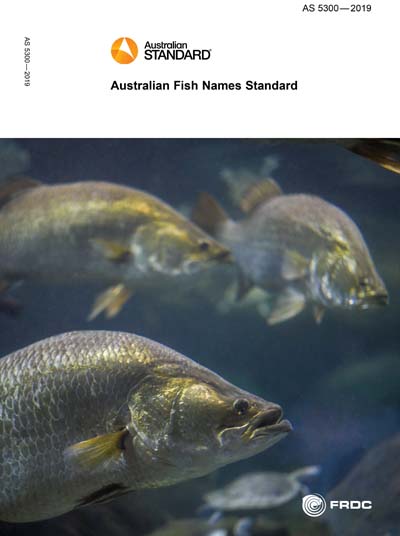
But there is a catch: awareness only works if information is available and trustworthy. A consumer cannot “leverage environmental and health consciousness” if the label simply says “fish of the day” or hides imported product behind generic categories. That’s exactly where SCA’s advocacy on standardised seafood names, mandatory origin labelling and better menu information becomes a practical expression of FAO’s trigger.
In other words: FAO sets the principle; SCA can deliver the practice in Australia.
3. Income and Wealth Distribution: Fair Value Along the Chain
FAO’s third trigger focuses on “improving distribution [of income and wealth] … and enhancing food security.” In seafood, opaque labelling and weak traceability don’t just hurt consumers – they often hurt honest fishers and processors, who are undercut by IUU operators and fraudsters.
Transparent, standardised labelling helps to:
- Reward legitimate local fishers whose costs reflect compliance with quotas, safety rules and environmental standards.
- Reduce the market for ultra‑cheap, mislabeled imports that depress prices and erode trust.
- Support food security by making sure public money (e.g. in procurement) buys the product it claims to be.
By linking consumer information to fair value for producers, SCA can argue that seafood labelling reform is not just about “consumer rights” – it is also about equity along the supply chain, exactly as FAO suggests.
4. Innovative Technologies and Approaches: Traceability and Digital Labelling
Finally, FAO highlights “innovative technologies and approaches” as a trigger, stressing the need to “ensure equitable access and minimize risks of exclusion.”
In seafood, the obvious technologies include:
- Digital traceability platforms that track catch from vessel to plate.
- QR codes on packaging and menus that link to independent information about species, origin and method.
- Data standards that allow regulators, retailers and consumers to see the same verified information.
For SCA, this is a green light to push for consumer‑facing digital tools alongside basic labelling reform. Not ones which are pushing messages but ones that are based on facts. Crucially, FAO also warns about “risks of exclusion”: smaller fishers and Indigenous communities must not be locked out of markets because systems are too complex or costly. That aligns with SCA’s commitment to solutions that are practical for small operators, not just major retailers.
What This Means for SCA’s Work on Seafood Labelling
FAO’s Director‑General is effectively telling member countries:
- Transforming food systems requires transparent institutions, informed consumers, fair distribution, and smart technologies.
- Consumer awareness is not a side‑issue; it is a global trigger for change.
For SCA, this provides a powerful international anchor for our domestic agenda:
- When we call for standardised seafood names, we act on FAO’s trigger for institutions and governance.
- When we campaign for clear origin and production‑method labels, we are enabling consumer awareness to become a genuine market force.
- When we fight seafood fraud and IUU imports, we are defending fair income distribution for compliant fishers.
- When we explore digital traceability and QR codes, we are engaging in the trigger of innovative technologies.
This is why SCA will be referencing FAO’s Medium-Term Plan, and its four triggers, in our submissions, campaigns and international engagement. Standardised, truthful seafood labelling in Australia is no longer just a local consumer issue – it is part of building the “transparent and accountable” agrifood system that FAO now recognises as essential to global food security and sustainability.
Comments
No comments yet.