
Many seafood brands today proudly embrace sustainability — prioritising ocean health, responsible sourcing, and certified fisheries. In Australia, John West and Birds Eye (brands owned by Simplot Australia) are frequently recognised for such commitments. They’ve earned awards for responsible seafood products and partner with organisations global NGO’s purporting to advance fishing practices that protect marine ecosystems.
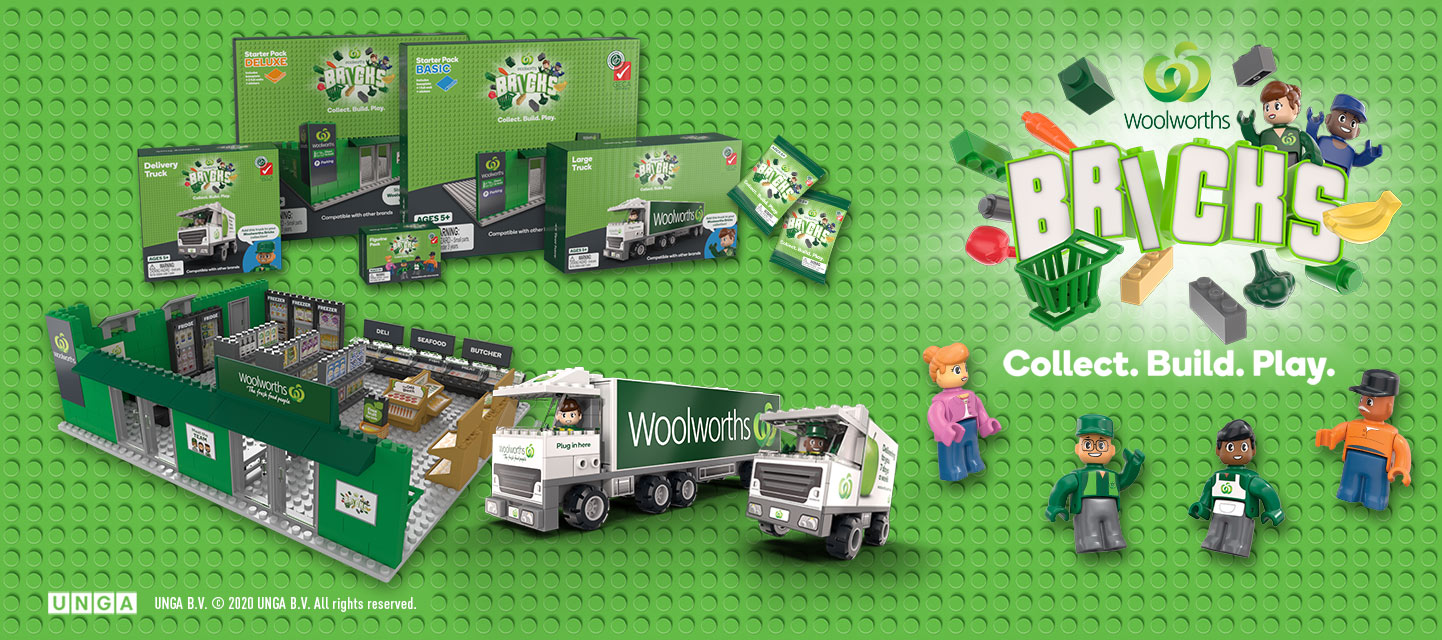
Recently, supermarkets including Woolworths launched the Woolworths Bricks collectables campaign: plastic toy bricks given away with purchases of qualifying products — including seafood from John West and Birds Eye. According to Woolworths, the bricks are made from recycled plastic and can be returned for recycling.
While this is a step toward circularity, it nonetheless raises important questions for brands that position themselves as stewards of environmental sustainability:
• Does participation in plastic toy promotions inadvertently undermine a brand’s eco-conscious identity?
• Could consumers perceive a disconnect between responsible seafood commitment and plastic giveaway marketing?
• What responsibility should brands bear when their logos appear on products tied to non-food promotional items?
What Policy Makers, Retailers and Brands Can Do
SCA recommends:
1. Transparent impact assessments
Supermarket and brand partnerships could disclose the environmental footprint of promotional items — even when made from recycled materials.
2. Stronger alignment with sustainability messaging
Brands can ensure that marketing materials reinforce environmental values (e.g., encouraging reuse, recycling, and education about plastic pollution).
3. Promotion of sustainable play alternatives
Rather than plastic bricks, consider promoting digital engagement tools or community-based sustainability programs aimed at children (e.g., beach clean-ups, ocean conservation education or work with SCA on ideas that we have!).
4. Collaboration across the supply chain
Retailers, brands, NGOs, and consumer groups could co-design promotional campaigns that carry positive environmental outcomes, not just commercial incentives, especially when they are clearly aimed at young children.
As consumers become more aware and discerning, transparent and values-aligned marketing will be key to maintaining trust — especially for products that carry the promise of sustainability and responsibility.
SCA have written to Simplot Australia and Woolworths for their comments on this issue. We will post their replies once received.
Comments
No comments yet.