
In 2026, the Australian seafood landscape has hit a tipping point. For years, we have heard whispers of “shifting baselines” and “dwindling stocks,” but this year, the forces reshaping our food systems have landed squarely on our dinner plates.
1. The Great Local Disappearance: State Fishery Gridlock
The most immediate force hitting Aussie consumers is the "State Fishery Squeeze." For the first time in 2026, many Australians are finding it impossible to buy wild-caught local fish at their neighbourhood market. This is not about overfishing; it is about a perfect storm of state-level regulatory shifts and spatial competition.
From the phase-out of gillnets in the Great Barrier Reef (slated for completion by 2027 but already throttling supply) to the rezoning of marine parks in New South Wales and Western Australia, commercial access to our waters is shrinking. And Victoria – wow what is happening there where Commercial Fishing and Aquaculture will now be housed in Outdoor Recreation Department where the chances of growth will be harmed for ever!
The NSW government has spent $900 million on the new Sydney Fish Market (fantastic job by all accounts) BUT where is the fish going to come from in the years ahead? What is the plan?
We are seeing a "spatial squeeze" where offshore wind farms, carbon sequestration projects, and marine protected areas are all competing for the same patches of ocean once held by generational fishers. Fishing always takes a back seat to Energy – money talks but it is shortsighted by all politicians if they do not recognise the need for a specific Food Security Program for seafood – we have the 3rd largest Exclusive Economic Zone (EEZ) and the best fishery managers in the world so we should be expecting so much more.
Unfortunately, the result? A shortage of local staples like flathead and snapper, forcing prices to record highs and making "local" a luxury label.
2. Mandatory Provenance: The beginning of CoOL
As of July 1, 2026, new federal laws have mandated the AIM model (Australian, Imported, or Mixed) for all hospitality venues under Country-of-Origin Label (CoOL) legislation.
For consumers, this is a progressive force for transparency. No longer can a cafe menu simply list "Grilled Fish" without specifying its origin. This regulation is a direct response to the fact that over 60% of seafood consumed in Australia is imported. By forcing businesses to label an "I" for imported or an "A" for Australian, the market is finally putting the power of choice back into the hands of the consumer. Expect a "shame or shine" effect: venues that have long relied on imported South American Flathead, Asian Basa or Tilapia will have to justify their prices, while those supporting local harvests will wear the "A" as a badge of honour—and charge a premium for it.
The problem is who will police this? Consumers beware!
We have noticed a dearth of information in the lead up to this new legislation and many outlets we have asked are not aware of the issue. The ones that are approaching the process with ‘M’ so that they meet the law but do not actually provide any decent information. Really! The legislation will not achieve anything unless it actually achieves ‘traceability.’
3. The Rise of the "Black Market" and Regulatory Crackdowns
With local supply down and prices up, 2026 has seen a surge in "under-the-counter" seafood. We have recently seen high-profile compliance blitzes in Sydney and Melbourne targeting restaurants purchasing abalone and lobster outside the legal supply chain.
This force—the tension between high demand and restricted supply—is creating a tiered market. Savvy consumers are now having to ask for "purchase records" or look for other evidence just to ensure they are not inadvertently supporting illegal, unreported, and unregulated (IUU) fishing. The "good" seafood is getting harder to find, and the "bad" seafood is getting harder to hide.
4. Climate-Driven "Species Swapping"
In 2026, the "Standard Three" (Salmon, Prawns, and Canned Tuna) are no longer enough to satisfy a sustainable diet. Climate change has moved fish stocks southward, meaning Tassie's waters are warming and Queensland's tropical species are appearing in NSW nets.
Consumers are being forced into "Species Swapping." As the real value of rock lobster falls due to trade disruptions and shifting yields, and as traditional Scalefish stocks like the Southern Bluefin Tuna reach new TAC (Total Allowable Catch) peaks, we are seeing a shift toward under-utilized species. This year, the force of "Bio-Adaptation" means you will see more Leatherjacket, Gurnard, and Australian Sardines on menus as chefs try to maintain margins without relying on the scarce "prestige" fish of the past.
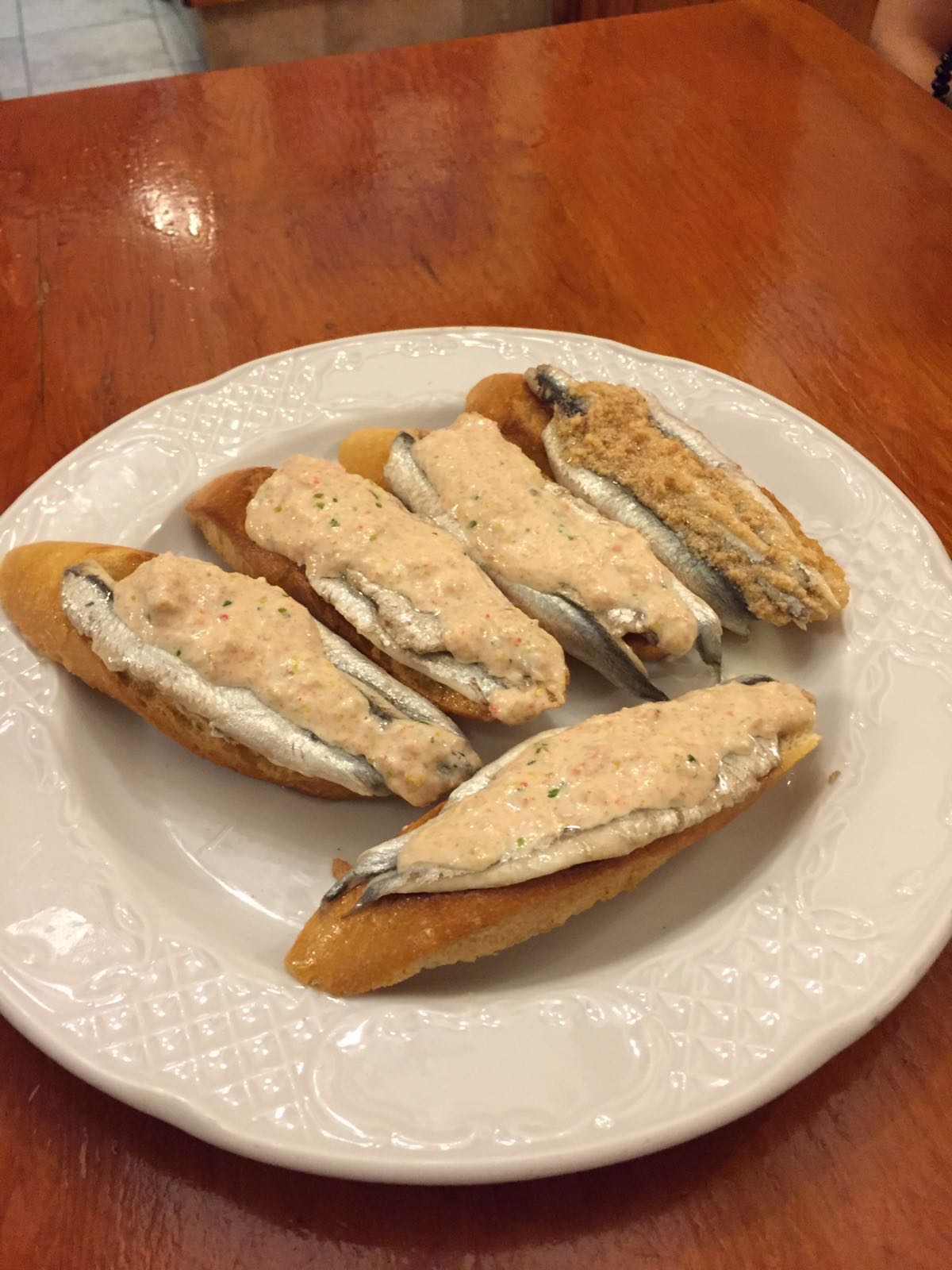
Canned fish is also back in vogue and rightly so – exceptional value and excellent quality! We are big supporters of Sardines, Mackerel, Tuna, Red Salmon, Pink Salmon (for patties), and Anchovies.
5. The Digital "Boat-to-Border" Audit
Finally, technology is no longer just for the fishers; it is for the audit. In 2026, blockchain and AI-driven traceability are becoming standard for premium Australian brands. We are seeing the rise of the "Smart Label," where a QR code does not just tell you the species, but the name of the boat, the depth of the catch, and the carbon footprint of its transport.
This force is driven by a growing distrust of ultra-processed foods and a desire for "clean label" protein. For the Australian consumer, this means the value of a fish is no longer just in its taste, but in its data. If a producer cannot prove their sustainability credentials with real-time data, they are losing access to the high-end supermarket shelves.
And yet with all the legislation in fisheries and aquaculture and the EPBC Act is the area where government and industry need to work hard to eliminate overseas certification companies increasing costs to consumers – it is a double dip which is no longer acceptable to SCA.
The Bottom Line for 2026
The era of cheap, anonymous seafood is over. As an Australian consumer in 2026, you are no longer just a "buyer"; you are a "steward." Every time you look at a menu and see that "A" or "I" or “M” you are making a vote on whether the local industry survives the regulatory and climate gauntlet it currently faces. Your voices need to be heard!
The shortage is real, the prices are high, but for the first time, the transparency is improving but still has a way to go.
Choose wisely.
Comments
No comments yet.