
What the National Food Supply Chain Assessment Means for Seafood Consumers
The recent announcement by Minister for Agriculture, Fisheries and Forestry, Julie Collins, regarding the new National Food Supply Chain Assessment offers a critical window into how the government views our national food security.
Triggered largely by the ongoing conflict in the Middle East and its impact on global shipping, the assessment will initially focus on diesel supply chains and agricultural inputs like fertilizers to keep our "farmers farming."
While this is a vital initiative for land-based agriculture, it leaves a glaring question for the blue economy:
What does this mean for the seafood on our plates?
Here is a breakdown of what seafood consumers and the industry must take away from this government assessment.
The Key Takeaways for Seafood Consumers
The "Food Secure" Myth: The Minister's press release states, "While Australia is food secure, we recognise the importance of supply chain resilience..."
Australia produces enough beef, wheat, and dairy to feed itself multiple times over. However, we import an estimated 65% of our seafood (note NSW suggest it is about 80%).
When a global geopolitical crisis disrupts shipping lanes, our reliance on imported seafood becomes a massive vulnerability. We are not "seafood secure."
We raise two main issues The Diesel Squeeze on the Local Fleet and Supply Chain Chaos is a Magnet for Fraud in this blog.
For the Seafood Consumers Association (SCA), this assessment is a timely wake-up call. While Australia produces an abundance of land-based proteins, the reality of our blue economy paints a very different picture.
When it comes to seafood, true national resilience requires an urgent shift in how we regulate, buy, and consume our marine resources. Here is what the National Food Supply Chain Assessment means for the everyday seafood consumer—and why we need to act now.
We Are Vulnerable to the "Import Trap"- It is hard to claim total food security when Australia still relies heavily on imports for the seafood we consume. Our supermarket freezers and hospitality menus are heavily reliant on imported white fish, prawns, and canned products.
When global shipping lanes are disrupted by geopolitical conflict, that supply chain becomes incredibly fragile. True resilience does not just mean securing diesel for tractors; it means pivoting our dietary reliance away from imported products and embracing the incredible, sustainable bounty of our own Exclusive Economic Zone.
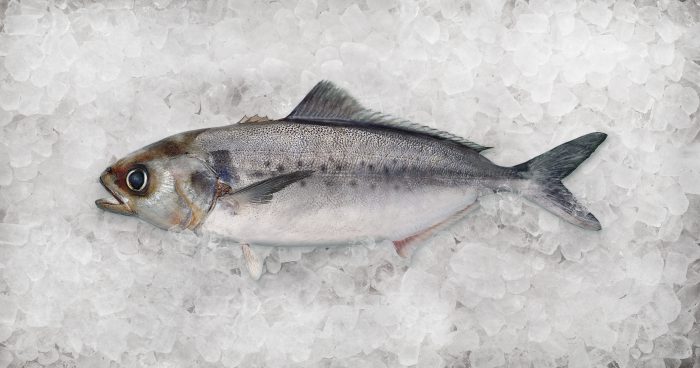
By choosing abundant, under loved local species—like Australian Salmon, Silver Warehou (picture below), Leatherjackets or Bight Redfish—we instantly insulate our dinner plates from global supply chain shocks.
The Diesel Squeeze on the Local Fleet - The government is right to focus on diesel reserves. Our local commercial fishing fleet relies heavily on diesel to operate. When fuel supplies are threatened or costs skyrocket, those expenses inevitably travel down the supply chain to the consumer.
To support our local fishers during these squeezes, consumers must embrace "Whole Fish Economics." By buying whole fish rather than highly processed fillets, we maximize the yield of every drop of fuel burned to catch it, ensuring maximum value stays within the local economy.
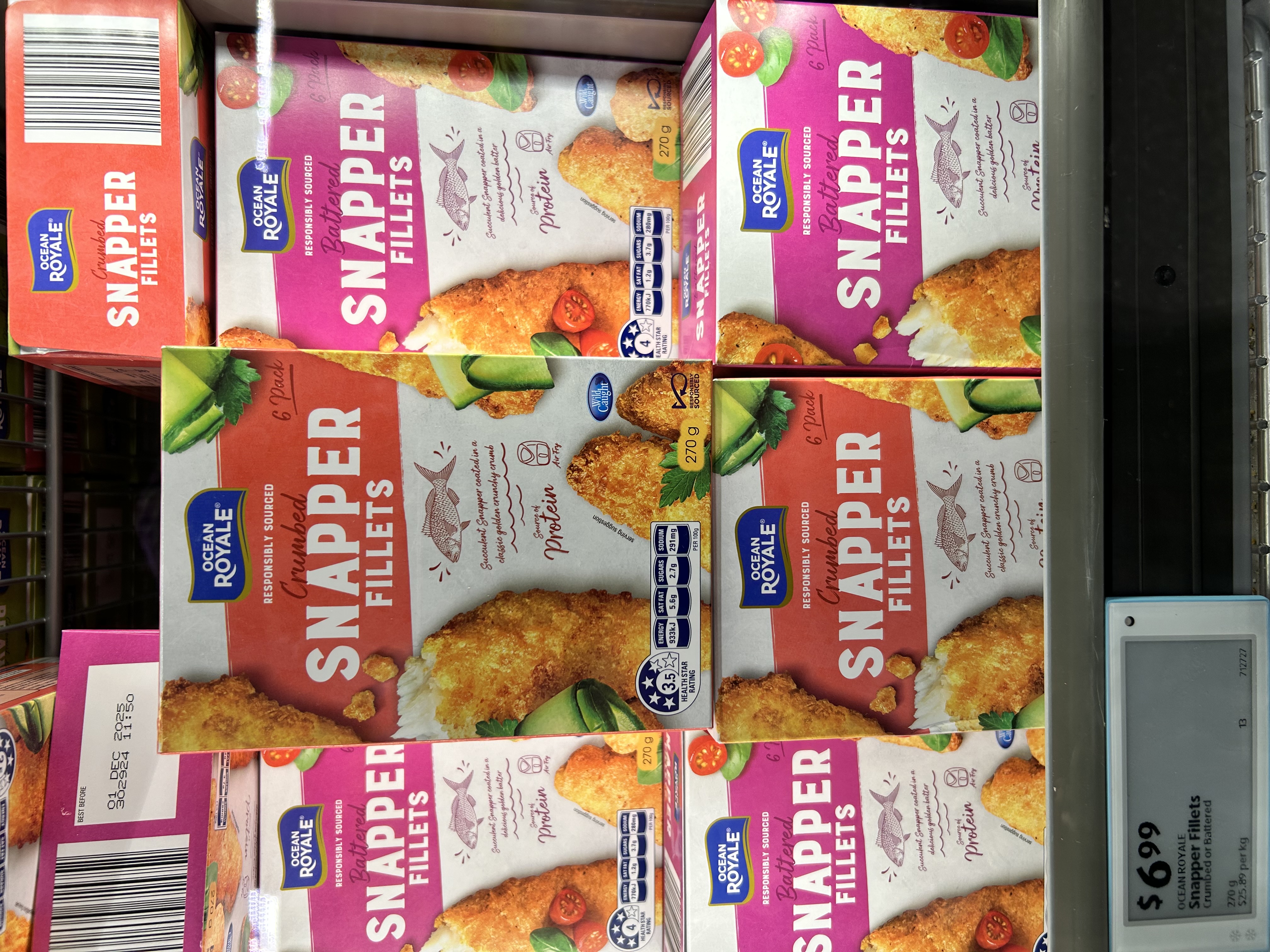
Supply Chain Chaos is a Magnet for Fraud - When global supply chains face bottlenecks and fuel costs rise, the retail price of seafood inevitably creeps up. Historically, tight margins and chaotic supply lines create the perfect breeding ground for seafood fraud. This is exactly why the I-CADMUS framework (tackling Illegal, Counterfeit, Addition, Dilution, Misrepresentation, Unreported, and Substitution activities) is more vital than ever.
In a disrupted market, the temptation to substitute a cheap, imported fish for a premium local species is remarkably high. Consumers cannot navigate a disrupted food supply chain if they are flying blind at the seafood counter.
If the government is serious about national food security, securing fuel is only step one. Step two must be mandating the Australian Fish Names Standard (AS5300). If this came into play at the same time as the CoOL/AIM program on 1 July we will have some ‘teeth’ to protect consumers.
During times of global uncertainty, Australian families deserve absolute truth in advertising. Mandating standardized naming across all retail and foodservice outlets ensures that when consumers choose to support the local fleet and build local resilience, they are getting exactly the authentic, nutritious Australian seafood they paid for.
Comments
No comments yet.