

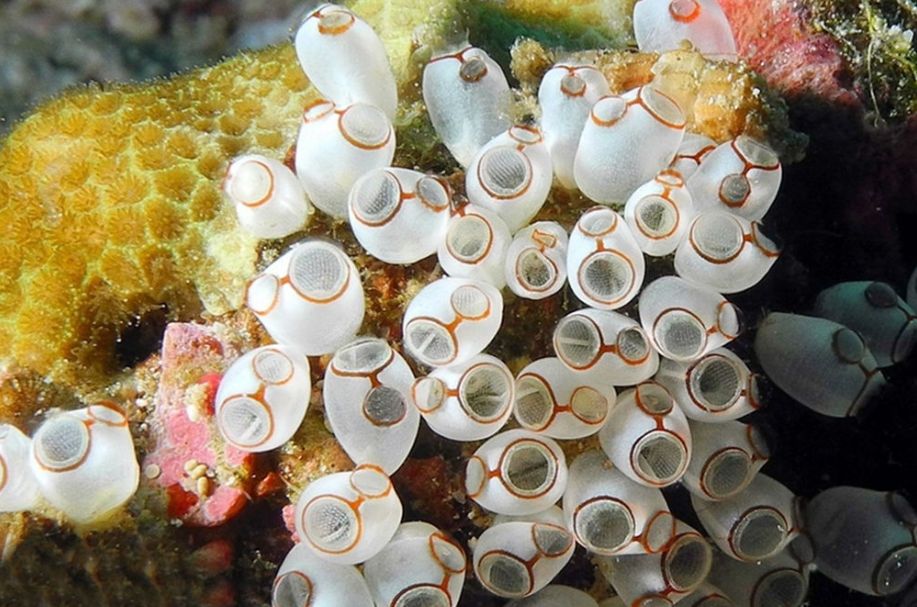
Scientists have identified a unique marine organism, the sea squirt (Ascidiacea), as a potential ally in combating the signs of aging. While these findings are promising, it is important for consumers to approach such reports with a balanced perspective on scientific progress.
The Science Behind the Sea Squirt
Researchers from institutions including Stanford University and Xi’an Jiao Tong-Liverpool University discovered that sea squirts contain high levels of plasmalogens. These lipids are naturally present in the human heart, brain, and immune cells but tend to decline as we age, a process associated with various neurodegenerative conditions.
In studies using aged mouse models, researchers supplemented diets with these compounds and observed notable results especially with cognitive improvement, where mice showed enhanced learning and memory capabilities, navigating mazes with the efficiency of younger animals. Additionally, visible vitality where treated mice exhibited physical signs of improved health, including thicker, darker, and glossier fur.
Cultural and Culinary Context
Sea squirts are not new to the global culinary landscape; they are already enjoyed in specific traditional diets. In Korea, they are known as ‘meongge’ (멍게), and in Japan, they are called ‘hoya’ (ホヤ), where they are typically consumed raw.
Consumer Considerations
While these animal studies provide an exciting avenue for future research, there is currently no clinical evidence confirming these specific "anti-aging" effects in humans. Consumers should be cautious of products marketed with claims of "reversing aging" based on these early-stage findings.
As we continue to monitor the intersection of marine biology and human health, the Seafood Consumers Association remains committed to providing you with evidence-based information. Staying informed helps us make choices that prioritize both our health and the integrity of the global seafood supply chain.
Comments
No comments yet.