
What Codex 2026 in Ottawa Means for Consumers
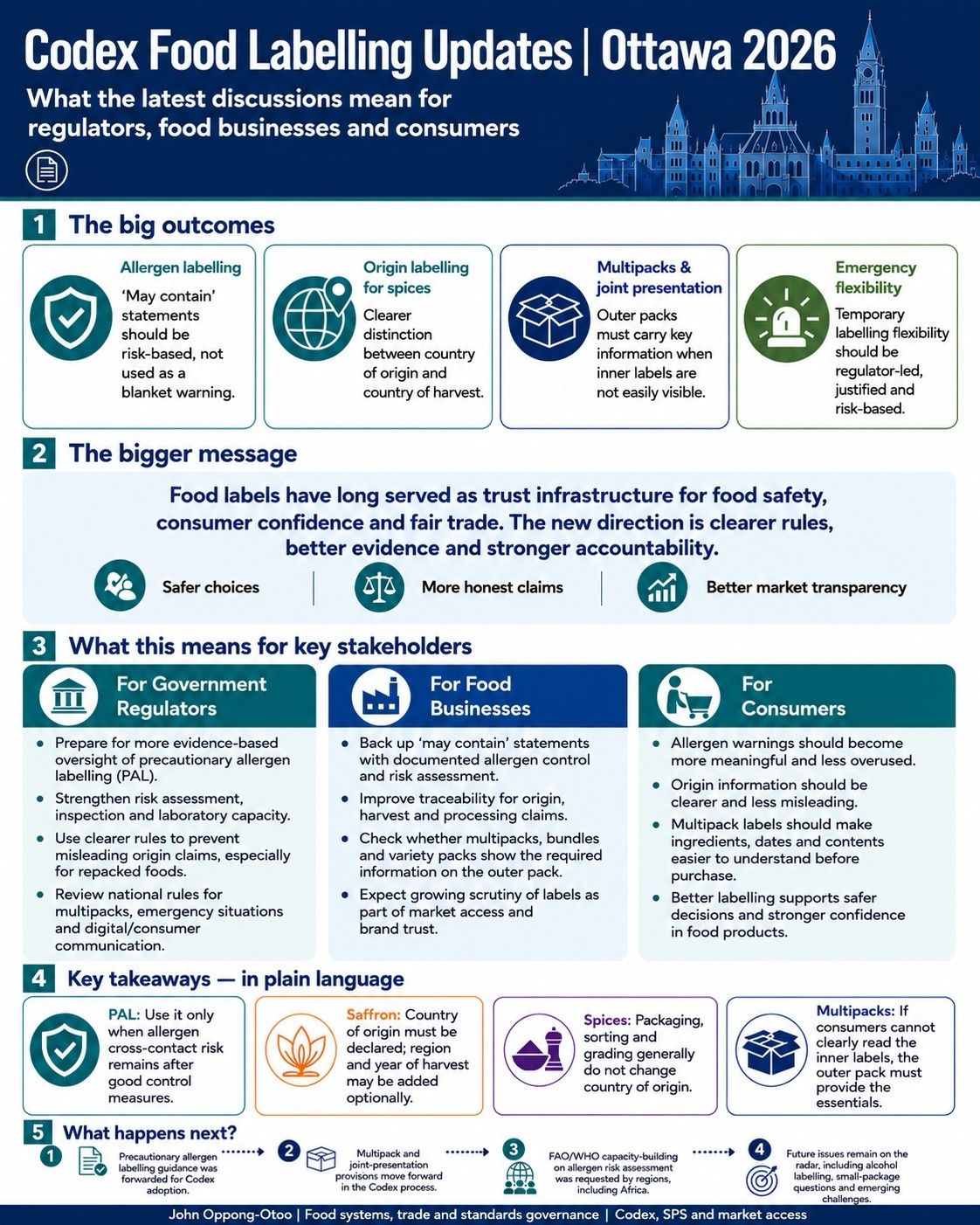
Food labels are often treated as technical details for lawyers, regulators, and packaging designers. They are part of the trust infrastructure that connects food safety, consumer confidence, fair trade, and market access. At the Codex Alimentarius meeting in Ottawa in 2026, member countries sharpened four practical shifts in food‑labelling practice that matter directly to consumers, especially in a seafood and omega‑3 world that is increasingly global, complex, and traceable‑in‑name‑only.
1. Precautionary allergen labelling: fewer “may contain” blanket warnings
Codex is moving to ensure that “May contain” ‑type precautionary allergen statements are not used as a “safe default” on every pack, but only when there is a real, assessed risk of cross‑contamination.
For consumers, this means:
- Fewer meaningless “may contain” labels, which currently dilute the seriousness of allergy warnings and can discourage people with allergies from using otherwise‑safe products.
- Greater confidence that when a label does carry a precautionary statement, it is backed by actual risk assessment, not corporate risk‑aversion.
For seafood consumers, this is particularly important where allergen‑label clarity (e.g., crustacean, fish, or “fish oil in capsule shell”) is critical for vulnerable groups, such as pregnant women using omega‑3 supplements or families managing severe allergies.
2. Origin labelling: clearer, more honest “where food truly comes from” stories
Codex is pushing for stronger clarity on origin labelling, emphasising that harvesting, processing, packing, and blending location should not be used to mislead consumers or trading partners about where a food is produced.
For consumers, this means:
- Less “country‑of‑encapsulation” trickery, where a product is labelled as if it is “local” merely because the final capsule or pack‑label job happens in one country, while the oil itself is imported from elsewhere.
- Greater ability to make informed choices about issues like:
- wild‑caught vs farmed,
- well‑managed vs poorly‑managed fisheries,
- and species‑ vs blend‑based sourcing (e.g., “fish oil” vs “anchovy oil”).
For seafood consumers association messages, this shift supports the call for “know your fish, know your fishery, know your feed” transparency from ocean to shelf, especially in areas like krill‑oil and omega‑3 supplements, where the link between label and ecosystem is often invisible.
3. Multipacks and inner‑packs: consumers must still see what matters
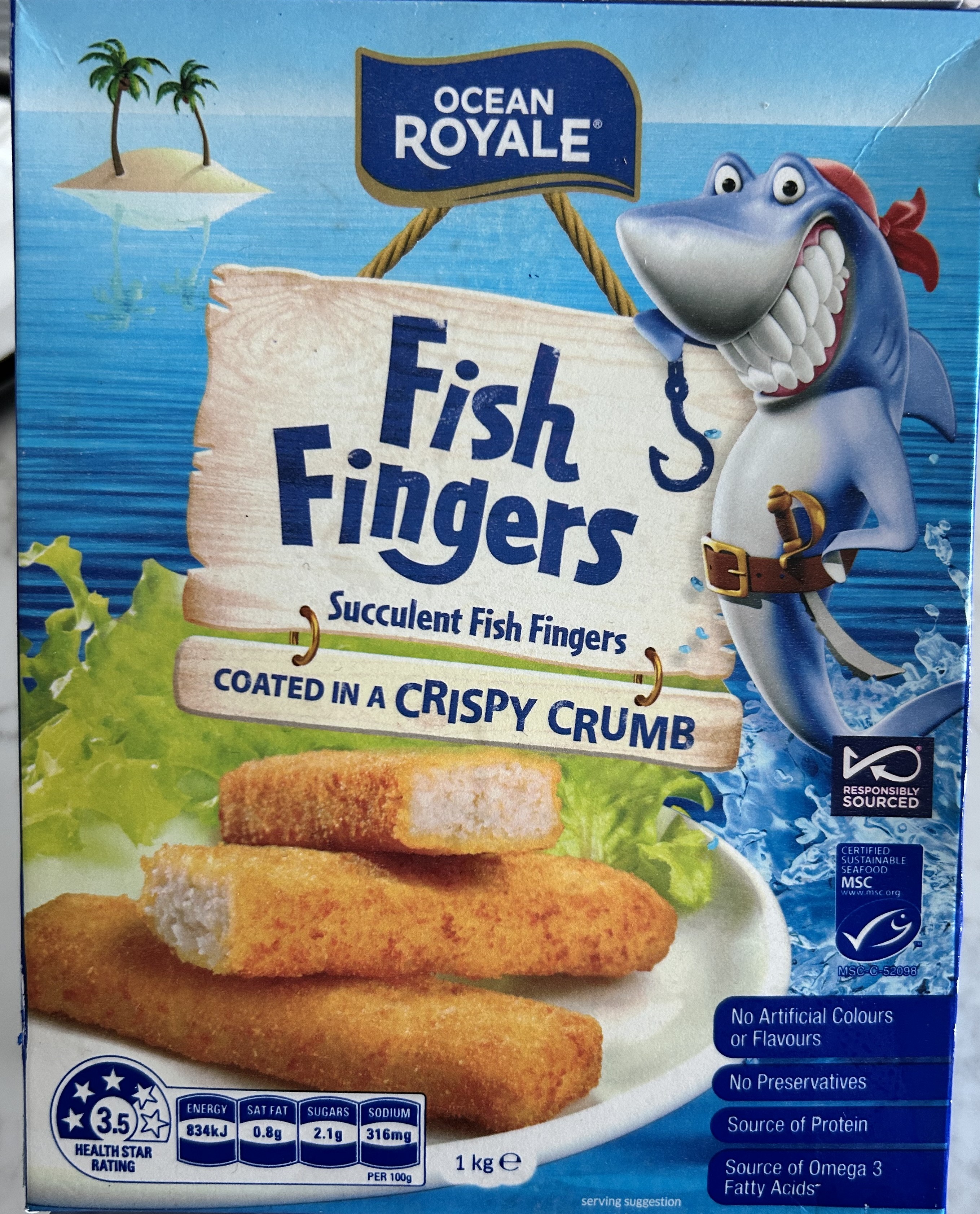
Codex stressed that when food is sold in multipacks or joint‑presentations (e.g., a box of 30 capsules or a multipack of tinned fish), the outer pack must carry the essential information if the inner packs are not easily visible or accessible to the consumer.
For consumers, this means:
- No “hidden‑inside‑pack” information: expiry dates, allergens, origin, or key warnings should not be confined to a tiny strip or an inner‑label that disappears once the box is opened.
- Consistency and ease of use when shopping online or in‑store: the information you need to decide is on the front or side of the pack you see on the shelf.
For seafood and supplement consumers, this is a safeguard against opaque multi‑capsule or multi‑batch products where the real‑world provenance or formulation is buried rather than highlighted.
4. Emergency‑labelling flexibility: temporary, justified, and regulator‑led
Codex also reminded members that emergency‑labelling flexibility—exceptions or short‑term changes in labelling rules during crises—must be regulatory, justified, temporary, and risk‑based, not permanent workarounds.
For consumers, this means:
- Less risk of “emergency” ‑style exemptions becoming a long‑term loophole for weaker standards, misleading claims, or delayed transparency.
- More assurance that any changes to labelling rules during disruptions (e.g., supply‑chain shocks, fraud‑crisis, or reformulation) are transparent, time‑limited, and proportionate to the risk.
For SCA‑style advocacy, this is a powerful lever: emergency‑style flexibility should never be used to erode regular‑time consumer‑protection standards in seafood, supplements, or other food‑categories.
What this means for regulators, businesses, and consumers
Codex’s four shifts carry clear messages for each part of the food‑system:
- For regulators
- Build stronger guidance, inspection capacity, and risk‑assessment systems for labelling.
- Ensure that seafood, supplements, and processed foods are held to the same high‑transparency bar, not treated as “special cases” with weaker rules.
- For food businesses
- Improve traceability, defensible claims, and allergen‑control systems across the supply chain.
- Move away from “safe default” labelling (e.g., vague origin, blanket “may contain”, hidden‑inner‑pack text) and toward clear, evidence‑based, consumer‑facing information.
- For consumers
- Expect clearer information and more meaningful warnings, not just longer, more confusing labels.
- Treat labelling as a contract of trust: when a label is clear, accurate, and consistent, it enables fair participation in food markets and safe, informed choice.
The bigger message: labelling is about trust, not just packaging.
The bigger message from Ottawa is that food labelling is not just about packaging. It is about trust, accountability, and fair participation in food markets. For seafood consumers, this is a timely reminder that “fish‑source‑to‑fork” transparency—from species and origin to fishery‑management status and allergen‑safety—should be the default, not an exception.
As the Seafood Consumers Association continues to advocate for clearer, more honest, and more consistent labelling in seafood, supplements, and related products, the Codex Alimentarius 2026 discussions in Ottawa provide a strong, international‑level mandate: food labels are not small print; they are a core pillar of food‑system integrity.
Comments
No comments yet.