
It has been a significant week for seafood consumers in Australia and around the world.
From the arrival of Avian Influenza in Australian wildlife, to the release of the FAO's flagship State of World Fisheries and Aquaculture (SOFIA) Report, to international discussions on seafood fraud and a celebration of seafood culture through the World Cup of Seafood, one message stands out:
Consumers must be at the centre of the seafood conversation.
Avian Influenza Arrives in Australia
Perhaps the most immediate issue is the confirmation that highly pathogenic Avian Influenza has reached Australia.
Scientists and wildlife managers have been preparing for this possibility for several years, knowing it was likely only a matter of time before Australia became affected. Reports from overseas have shown devastating impacts on wild bird populations and marine mammals, particularly seal colonies and young pups.
For seafood consumers, there is currently no evidence that seafood products are unsafe to eat. However, the outbreak serves as a reminder that healthy oceans and healthy ecosystems are essential to food security.
The Seafood Consumers Association will continue to monitor developments closely and encourages government agencies to provide clear, transparent communication regarding any impacts on marine ecosystems, fisheries and aquaculture.
The World Seafood Story Continues to Grow
This week also saw the release of the FAO's State of World Fisheries and Aquaculture 2026 (SOFIA) report.
The numbers are extraordinary.
Global fisheries and aquaculture production reached a record 235 million tonnes in 2024, while aquaculture surpassed 100 million tonnes of aquatic animal production for the first time. Average seafood availability worldwide now exceeds 21 kilograms per person annually.
The report confirms what seafood consumers have known for years:
Seafood is no longer a niche food category.
It is increasingly recognised as a critical source of protein, omega-3 fatty acids and essential micronutrients for a growing global population.
For Australia, the challenge is ensuring consumers can access affordable, nutritious seafood while maintaining confidence in sustainability, provenance and product integrity.
Seafood Fraud Remains a Global Concern
The FAO GLOBEFISH Webinar on Seafood Fraud highlighted another issue that directly affects consumers: trust.
Fraud is not simply about one fish being substituted for another.
It includes mislabelling, undeclared treatments, dilution, counterfeit products, false origin claims and misleading information that prevents consumers from making informed choices.
The Seafood Consumers Association believes the conversation must go further.
Consumers are not only affected when species are substituted.
They are also affected when they unknowingly pay seafood prices for water, ice glaze, excessive additives or products that do not meet reasonable expectations of quality and value.
Seafood fraud is ultimately a consumer issue.
If consumers cannot trust the information presented to them, confidence in the entire seafood sector suffers.
Celebrating Seafood Through the World Cup of Seafood
Not all the week's news was about challenges.
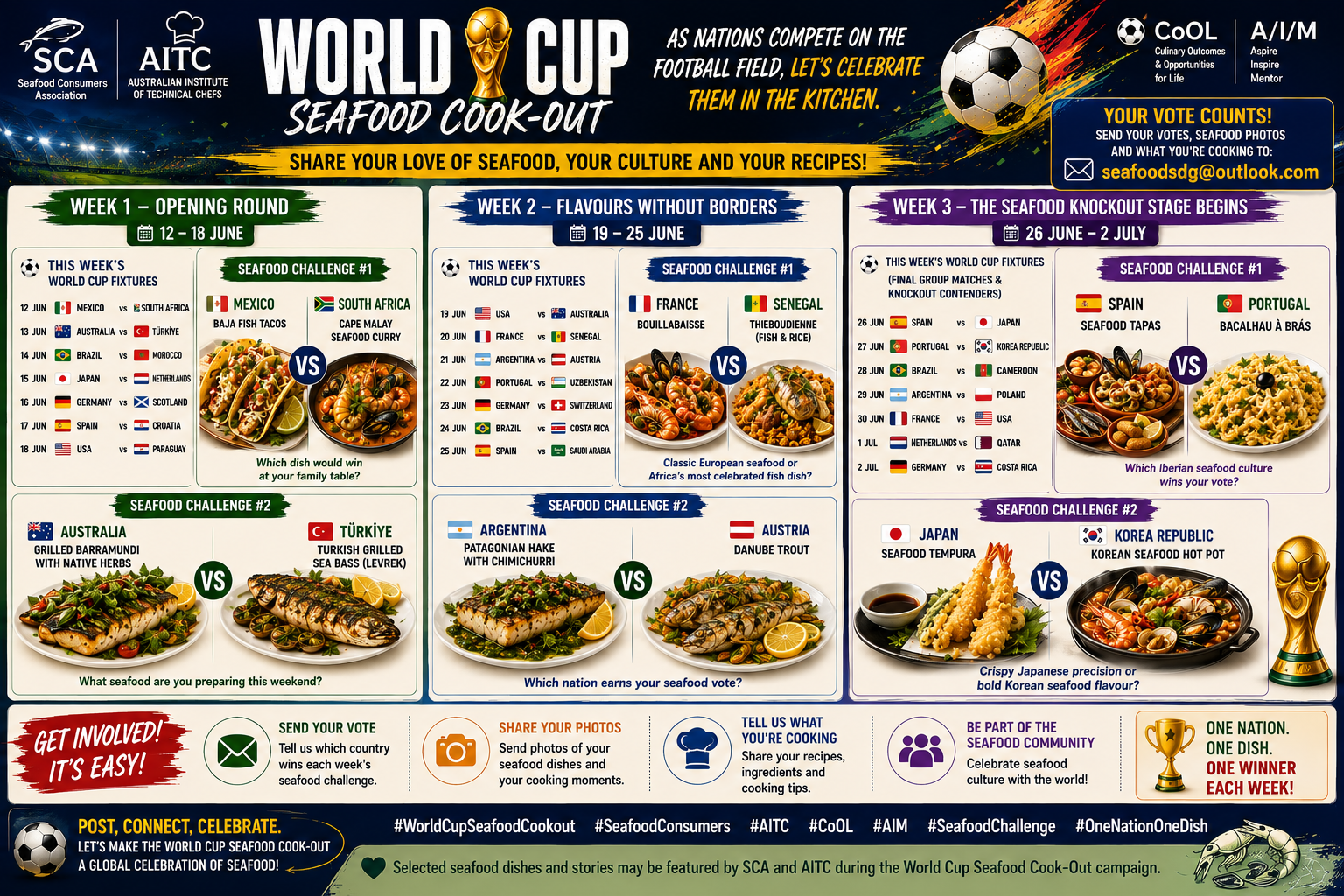
The ongoing AITC–SCA World Cup of Seafood continues to demonstrate the positive side of seafood culture.
By linking international sporting rivalries with seafood dishes, recipes and culinary traditions, the initiative is helping consumers discover new species, new cuisines and new ways to enjoy seafood.
Whether it is seafood paella from Spain, tempura from Japan, Portuguese seafood dishes or Australian favourites, the program reminds us that seafood is not simply a commodity.
It is part of culture, community and enjoyment.
Importantly, programs like this help encourage seafood consumption at a time when many health authorities continue to recommend increased seafood intake.
Strengthening International Partnerships
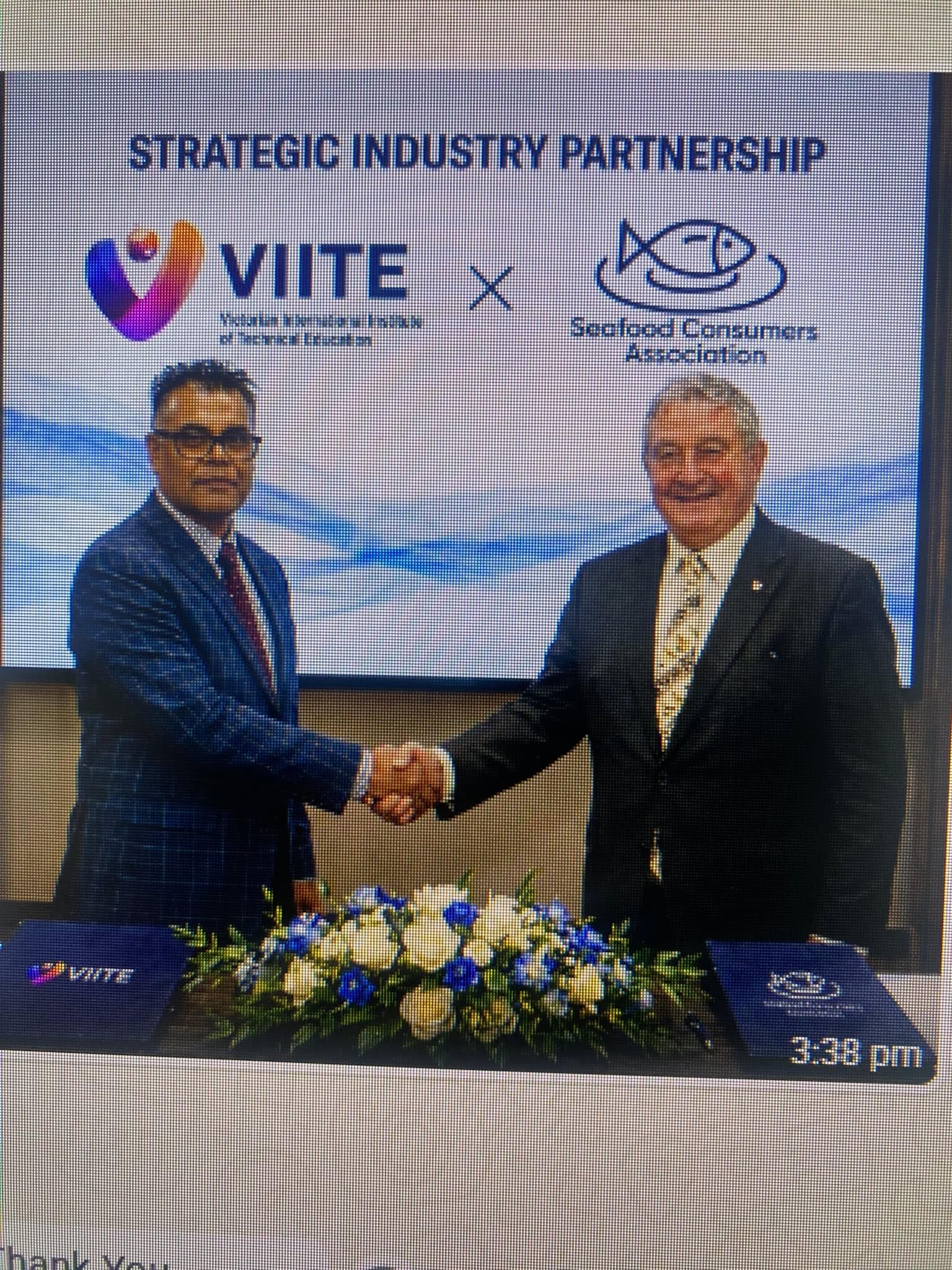
This week also saw progress in international cooperation through the Memorandum of Understanding between SCA and VIITE.
Partnerships such as these are essential if consumers are to have a stronger voice in discussions around seafood quality, food security, education, transparency and sustainability.
Many seafood challenges are global in nature.
Fraud crosses borders.
Supply chains cross borders.
Food security challenges cross borders.
Consumer representation must increasingly do the same.
Other Environmental Signals
The week also brought reports of concerns regarding the annual giant cuttlefish aggregation at Whyalla in South Australia, with questions being raised about potential links to the recent harmful algal bloom event. While scientists are still assessing the situation, it serves as another reminder of the importance of marine ecosystem health.
On a more positive note, whale migration sightings along the Victorian coastline continue to delight communities and highlight the value of healthy marine environments.
Looking Ahead
The seafood sector faces significant challenges:
- Biosecurity threats such as Avian Influenza.
- Climate change impacts.
- Harmful algal blooms.
- Seafood fraud.
- Affordability pressures.
- Food security concerns.
At the same time, there are tremendous opportunities.
Aquaculture is expanding (more globally than in Australia!).
Scientific understanding is improving.
Technology is strengthening traceability.
Consumers are becoming more engaged and informed.
The Seafood Consumers Association believes that the future of seafood must be built on one foundation above all others:
Trust.
Trust in the science.
Trust in the label.
Trust in the supply chain.
Trust in the sustainability claims.
And trust that consumers are being treated not as an afterthought, but as the principal partner in the seafood system.
Because every fish harvested, farmed, processed, sold and served ultimately exists for one reason:
The consumer.
Comments
No comments yet.