

Many consumers today are actively seeking out sustainable, ethical food choices. It is a well-intentioned and vital pursuit. However, the food manufacturing sector has aggressively capitalized on this goodwill, flooding the retail market with plant-based and lab-engineered alternatives designed to mimic traditional meat and fish.
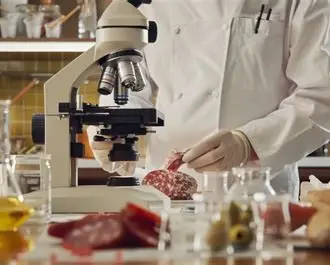
But what happens when we look past the slick, greenwashed packaging and put these manufactured products under a scientific microscope?
Recent global academic studies comparing plant-based seafood and meat alternatives to their authentic counterparts have revealed a troubling reality. Instead of healthy, sustainable equivalents, consumers are frequently paying a premium for ultra-processed counterfeits that fundamentally fail to deliver the nutritional baseline of actual seafood.
Here is what the latest nutritional research says about the plant-based seafood masquerade, and why consumers need to be incredibly wary at the supermarket.
The Protein Deficit
When you purchase a piece of fish, you expect a high-quality, dense source of lean protein. Manufactured alternatives try to promise the same, but the data tells a different story.
A comprehensive market analysis published recently evaluated the nutritional quality of plant-based seafood alternatives launched globally over the last two decades. The researchers found that the vast majority of these products—particularly vegan tuna, shrimp, and fillet alternatives—contained significantly less protein than conventional seafood. To put it plainly: the core macronutrient that makes seafood a global dietary staple is often missing or severely diluted in the plant-based versions.
Missing the Magic of Omega-3s
Seafood is functionally unique because it is the primary dietary source of long-chain Omega-3 fatty acids (EPA and DHA). These specific marine nutrients are non-negotiable for human health. They are the critical building blocks for cardiovascular resilience and brain health, and they are especially vital during the "1000 days" window—the period from conception to a child’s second birthday—where maternal and infant cognitive development relies heavily on marine nutrition.
The fundamental flaw in plant-based seafood is biological: terrestrial plants do not naturally produce EPA and DHA. Studies show that unless these highly processed analogues are artificially fortified (often using isolated algal oils), they offer practically zero marine Omega-3s. Substituting real fish with a terrestrial alternative means you are stripping the most valuable health benefit of seafood directly off your family’s dinner plate.
The Reality of Ultra-Processed "Counterfeits"
To make soy, wheat, or pea protein look, smell, and flake like a real piece of barramundi or salmon, food manufacturers must rely on heavy processing. This isn't agriculture; it is food engineering.
When researchers evaluated the ingredient lists of these analogues, they highlighted several alarming trends:
- Excessive Salt: To mask the blandness of extruded plant proteins and simulate a "savory" oceanic flavour, manufactured alternatives like vegan fish sticks and tuna frequently contain vastly higher sodium levels than real fish.
- Complex Additives: Recreating the fibrous, gelatinous texture of fish requires a cocktail of starches, thickeners (like xanthan gum and powdered cellulose), and artificial flavourings.
- Missing Micronutrients: Authentic seafood naturally delivers bioavailable iodine, zinc, selenium, and Vitamin B12. Many plant-based alternatives are completely devoid of these essential micronutrients unless they are chemically fortified in a lab.
The SCA Verdict: Demand Transparency and Eat Authentic
The Seafood Consumers Association supports genuine innovation, but we absolutely do not support deceptive marketing. When a highly manufactured, ultra-processed block of texturized wheat and pea protein is marketed as a one-to-one "equivalent" to wild-caught or sustainably farmed seafood, it is a form of nutritional counterfeiting.
Consumers have a right to know that swapping real fish for a plant-based alternative is not a neutral trade. It is a trade-off that often sacrifices essential protein, eliminates natural Omega-3s, and introduces a heavy load of sodium and processed starches into the diet.
Do not let the food industry’s greenwashing dictate your health. Flip the package, read the ingredient list, and understand exactly what you are paying for.
"26 Million Voices. One Seafood Future."
www.seafoodconsumers.global
References:
Primary Nutritional Quality & Market Audits
- Study Title: Plant-based seafood alternatives: Current insights on the nutrition, protein-flavour interactions, and the processing of these foods (2024 / 2025)
- Source: Trends in Food Science & Technology / PMC (National Institutes of Health)
- Key Finding: Comprehensive audits of the ingredients and nutrient composition of commercial plant-based seafood alternatives worldwide confirm severe protein dilution (frequently offering less than half the lean protein found in raw fish fillets) alongside significantly higher sodium levels and reliance on extensive binding agents like potato starch, xanthan gum, and texturized wheat or pea isolates.
The Omega-3 & Fortification Disconnect
- Whitepaper/Global Analysis: Omega-3 Ingredient Use in Alternative Meat and Seafood Products (2025)
- Source: The Good Food Institute (GFI) Global Research Suite
- Key Finding: Demonstrates the severe biological hurdle of replicating marine nutrition with terrestrial crops. It highlights that standard plant-based analogs provide zero EPA/DHA (offering only shorter-chain ALA, which cannot replace the human biological function of marine fatty acids) unless manufacturers utilize expensive, highly concentrated microalgae-derived oils—which currently represent less than 1% of the global alternative protein market due to oxidation, shelf-life, and cost bottlenecks.
The Nutritional Comparison Blueprint
- Study Title: Nutritional Profiling and Ultra-Processing in Terrestrial and Aquatic Meat Analogues vs. Whole Food Alternatives
- Source: Frontiers in Nutrition / Journal of Food Composition and Analysis
- Key Finding: Establishes that the heavy mechanical extrusion required to morph plant fractions into the flake and texture of white fish or salmon strips away native micronutrients like bioavailable B12, iodine, and selenium, shifting the final product deep into the Nova Classification category of "Ultra-Processed Foods" (UPFs).
Comments
No comments yet.