

Every winter, Australia’s coastal highways bear witness to one of the most breathtaking spectacles in the natural world: the annual migration of thousands of humpbacks and southern right whales journeying north from the icy waters of Antarctica to breed and give birth in warmer northern waters.
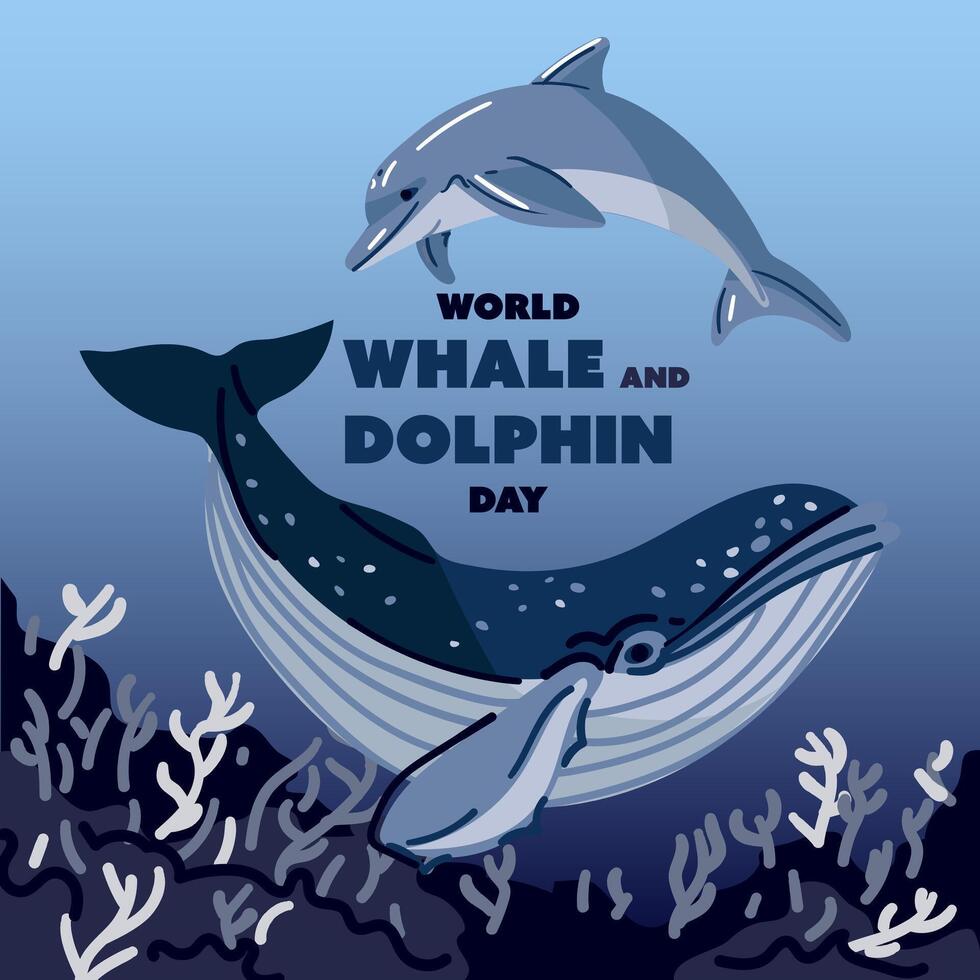
Timing perfectly with this majestic migration, marine conservationists around the globe recently marked World Whale and Dolphin Day. First established in 1986 by the International Whaling Commission (IWC), this annual day commemorates the historic 1982 vote implementing a global moratorium on commercial whaling.
To celebrate this milestone and unpack the state of Australia's whale populations, Ella Hutchinson from the Dolphin Research Institute joined RRR Radio Marinara’s Life’s a Beach to share the latest updates on our migrating giants—and how citizen scientists are helping track their survival.
The Humpback Miracle vs. The Southern Right Reality
The 1982 commercial whaling ban sparked one of the greatest ecological recovery success stories in modern history:
- The Humpback Resurgence: In 1968, when commercial whaling was banned along eastern Australia, the Humpback population had plummeted to fewer than 500 individuals. Today, that same eastern stock has surged to between 30,000 and 40,000 whales, making its annual migration along Australia’s east coast in record numbers.
- The Southern Right Struggle: Unfortunately, not all species have recovered at the same rate. Australia’s eastern Southern Right Whale population remains dangerously small, with current population estimates lingering at around 300 individuals.
Spotting the difference between the two is simple: Humpbacks feature a prominent dorsal fin on their back, while Southern Right Whales lack a dorsal fin entirely—often resembling large, dark logs floating on the surface with distinctive white calcified patches (callosities) on their heads.
Navigating Australia's Coastal Highways
The winter whale migration is currently at its midpoint (May to August). Whales are moving up the Victorian coast, rounding Tasmania and the Great Australian Bight, and pushing north toward Queensland and Western Australia before making their return journey down to Antarctica around September.
How the Migration Moves
- Distinct Stocks: Australia hosts two primary humpback stocks—the western stock (migrating up and down WA) and the eastern stock (migrating up NSW and QLD). While they typically stick to their respective coasts, historical fluke photo-identifications show occasional cross-over events, including one individual photographed off WA in 1991 that reappeared off Victoria's Wilsons Promontory 30 years later!
- The Tasmanian Turnpike: Humpbacks spotted off Portland and Warrnambool in western Victoria typically travel up the western coast of Tasmania, cut across Bass Strait, and sweep past Cape Liptrap and Cape Paterson before turning the corner north up the east coast.
Citizen Science in Action: Spotter Counters and PodWatch
The recovery and ongoing tracking of these species rely heavily on everyday ocean lovers and citizen scientists.
From local whale watchers using classic handheld tally counters on coastal bluffs (recording hundreds of humpbacks off Portland alone in a single week) to community submissions on platforms like iNaturalist and the Dolphin Research Institute’s dedicated Pod Watch portal, public data provides scientists with real-time migration mapping and individual photo-identification (Fin & Fluke ID).
The SCA Perspective: Safeguarding Our Living Oceans
For the Seafood Consumers Association (SCA), celebrating the recovery of Australia’s whale and dolphin populations is a powerful reminder that science-backed regulation, international cooperation, and dedicated conservation work.
Protecting our marine environment isn't just about managing fisheries—it's about ensuring that the broader marine ecosystem, from top predators to coastal habitats, remains healthy, resilient, and thriving for generations to come.
What do you think? Have you spotted any migrating whales along the coast this winter? Share your sightings and photos in the comments below or log them directly with the Dolphin Research Institute’s Pod Watch app to support ongoing marine research!
“26 Million Voices. One Seafood Future.”
Comments
No comments yet.