

Dual Biosecurity Double Standards Threaten Australia’s Prawn Industry
Australia's domestic prawn industry—a crown jewel of our national seafood ecosystem—is currently navigating an intense biosecurity crisis.
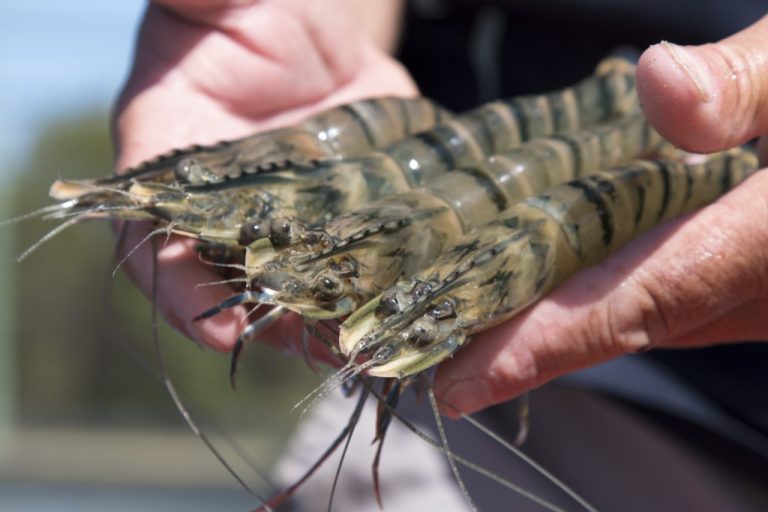
At the centre of the storm is White Spot Syndrome Virus (WSSV), a highly contagious pathogen deadly to decapod crustaceans like Prawns, crabs, lobsters, and marine worms. While WSSV poses zero risk to human health or food safety, its ability to wipe out entire prawn farms within days makes it one of the most destructive aquatic diseases on Earth.
Yet, as Australian prawn farmers and commercial fishers face crippling local movement bans to contain localized outbreaks, a controversial federal policy shift is threatening to open the floodgates to foreign biosecurity risks.
1. The Offshore Import Loophole: A Major Biosecurity Blindspot
Under proposed guidelines by the Department of Agriculture, Fisheries and Forestry (DAFF), the Federal Government is moving to alter how imported raw Prawns are screened for viral pathogens.
- The Policy Shift: The proposed framework transitions away from mandatory border container testing upon arrival in Australia, moving toward accepting offshore pre-export testing conducted in the exporting nations.
- Outsourcing Oversight: Responsibility for batch testing raw Prawns for WSSV and Yellow Head Virus would effectively shift to foreign authorities within major exporting nations, including Vietnam, Thailand, and India.
- Industry Backlash: Local fishers and the Australian Prawn Farmers Association (APFA) have voiced outrage, warning that relying on international pre-export testing creates dangerous biosecurity blind spots. Industry advocates point out that this treats imported raw Prawns far more leniently than other high-risk raw animal proteins, risking the accidental introduction of exotic disease strains into wild Australian fisheries.
2. The Domestic Double Standard: Strict Movement Bans at Home
While federal import policies lean toward greater leniency for overseas suppliers, domestic regulations placed on local Australian fishers and farmers have never been stricter.
- Expanded Control Zones: To contain existing domestic outbreaks, regulatory authorities enforce strict containment zones under Biosecurity Control Orders. Impacted regions—such as the Clarence River, Evans River, and Richmond River zones in northern NSW—have been merged into unified, tightly policed biosecurity control areas.
- Severe Movement Bans: It is strictly illegal for local commercial operators or recreational fishers to move uncooked Prawns, crabs, lobsters, or marine bait worms out of these designated zones.
This creates a glaring regulatory paradox: Australian seafood businesses are subjected to strict internal quarantine controls to protect the environment, while raw foreign seafood faces reduced scrutiny at the border.
3. The Cost to Consumers: Price Spikes and Declining Sovereign Supply
When local prawn farms are forced to destroy stock or cease operations due to disease outbreaks, and local wild-catch operators are locked out of transporting their catch, the immediate result is artificial domestic scarcity.
As domestic supply drops, retail prices for authentic Australian wild-caught and farmed Prawns inevitably skyrocket—forcing everyday working families to either pay exorbitant prices or resort to imported alternatives that carry significant biosecurity differences.
The SCA Verdict: Protect the Australian Plate and the Ocean
The Seafood Consumers Association (SCA) firmly believes that biosecurity governance must be fair, transparent, and uncompromising.
If Australian commercial operators are required to observe strict biosecurity protocols to safeguard our marine ecosystems, imported product entering our domestic market must be held to the exact same rigorous standard.
- Maintain On-Arrival Border Testing: The Federal Government must retain mandatory, independent Australian border container testing for all imported raw seafood products rather than outsourcing oversight offshore.
- Harmonize Standards: Biosecurity frameworks should treat foreign seafood imports with the same level of scientific rigor applied to local primary producers.
- Support Sovereign Food Security: Protecting local prawn farmers and commercial fishers from imported pathogens is essential to keeping fresh, safe, Australian-grown seafood affordable for every household.
What do you think? Should imported seafood be subject to the exact same mandatory border testing as local products? Let us know in the comments below and engage with the Seafood Consumers Association today to fight for biosecurity integrity and food security!
“26 Million Voices. One Seafood Future.”
Comments
No comments yet.