

What SCA learned from investigating “Australian Hoki”.
A consumer noticed apparently conflicting origin claims for an I&J Hoki product. SCA followed the evidence, contacted the company, the fisheries regulator and the certification body, and obtained a practical correction. The investigation also exposed a wider gap between public fisheries data, private traceability records and the information consumers actually see.
The question that started the enquiry
The issue began with a straightforward consumer observation. Some current I&J products were promoted as MSC-certified, wild-caught “Australian Hoki”. Separate historical foodservice material described I&J Hoki as caught in deep waters off New Zealand’s South Island.
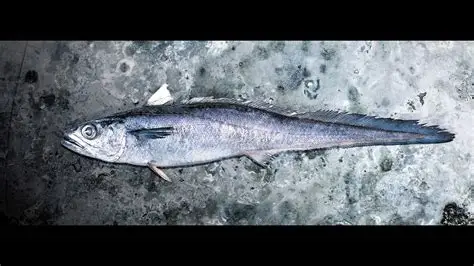
Both claims could not describe the same current source without further explanation. The species involved—Macruronus novaezelandiae—is commercially harvested in both countries. In Australia its standard name is Blue Grenadier, with Hoki recognised as an alternative name. The word “Hoki” therefore identifies a species name; by itself, it does not establish New Zealand origin.
SCA followed three parts of the chain
Rather than make an allegation, SCA wrote separately to Simplot Australia, the Australian Fisheries Management Authority and the Marine Stewardship Council. Each organisation occupied a different part of the information chain:
- Simplot controlled the branded products, packaging, sourcing records and marketing material;
- AFMA held public information about the Australian fishery, catch limits, landings and fishing concessions; and
- MSC provided the sustainability certification framework and Chain of Custody system used for the products.
What Simplot confirmed
Simplot responded constructively and confirmed that the two I&J products examined—product codes 12138 and 13529—are sourced from the MSC-certified Australia Blue Grenadier fishery. The fish is caught in Australian waters around Tasmania within Australia’s Exclusive Economic Zone by members of the certified client group.
Simplot also explained the conflicting New Zealand reference. The product line was originally supplied using Hoki caught in New Zealand. Sourcing later transitioned to Australian-caught Blue Grenadier, but historical material on a third-party foodservice website was not updated. Following SCA’s enquiry, Simplot reviewed the material, contacted the publisher and arranged for it to be removed.
That is a meaningful outcome. A consumer identified inconsistent information; SCA asked evidence-based questions; the business investigated; and obsolete material was corrected.
One question remains
SCA asked Simplot to provide the exact Country of Origin Food Labelling statement appearing on the physical packaging. Simplot confirmed that the products comply with applicable requirements but did not provide the precise wording or current label image.
SCA has therefore requested the current packaging artwork or photographs. This is important because two origin facts may apply at once: the fish may be wild caught in Australian waters while the finished crumbed or battered product is manufactured or processed in another country. Consumers should be able to distinguish the origin of the seafood ingredient from the place where the finished food was made or processed.
What AFMA could—and could not—tell us
AFMA directed SCA to its Catchwatch reports and public concession information. It also confirmed that Commonwealth fisheries-management records generally use the name Blue Grenadier while recognising Hoki as an alternative common name.
Importantly, AFMA explained that its public systems cannot trace a branded retail product back through a processor’s commercial supply chain to a particular concession. AFMA manages fisheries, catch and fishing rights; it does not regulate a company’s retail label or maintain the commercial records needed to authenticate an individual product.
The certification question is still open
MSC Chain of Custody certification is intended to keep certified seafood identifiable, separated, traceable and recorded through participating businesses. However, Simplot explained that MSC does not necessarily require consumer-facing sourcing claims to name the individual certified fishery when the same species can come from multiple certified fisheries.
SCA wrote to MSC on 25 July seeking guidance on how its assurance system addresses specific geographic-origin representations. At the time of publication, a substantive response had not been received. SCA has followed the matter up and will update this account when MSC responds. The absence of a response at this stage is being recorded as pending—not treated as evidence that the certification system has failed.
What this investigation teaches us
First, inconsistent information does not automatically prove fraud. In this case, the evidence currently points to a sourcing change that was not carried through to all external promotional material. That is an information-control failure, but there is no present evidence of deliberate deception.
Second, internal traceability and consumer transparency are not the same thing. AFMA can account for fisheries and catch. Simplot and its certification system can maintain commercial Chain of Custody records. Yet the consumer cannot readily join those records together when viewing a packet, advertisement or menu.
Third, terminology matters. “Australian Hoki” may be technically permissible because Hoki is an approved alternative name, but “Australian Blue Grenadier (Hoki)—wild caught in Australian waters” would be clearer. It gives consumers the primary Australian fish name, the familiar alternative name and an explicit harvest-origin statement.
Finally, correction should be recognised. Good seafood integrity practice is not the absence of every mistake. It includes systems that identify discrepancies, respond openly, correct outdated information and prevent recurrence.
SCA’s next steps
- Obtain and review the exact CoOL wording and current packaging for the two products.
- Confirm that current packaging, websites, social-media promotions and trade material now tell a consistent origin story.
- Seek MSC’s explanation of how geographic claims are checked against Chain of Custody records.
- Use the case as a practical I-CADMUS example of verification, correction and the distinction between an error, weak disclosure and deliberate fraud.
A constructive consumer outcome
This enquiry demonstrates why an independent consumer voice matters. Consumers do not need to begin with an accusation. They need a clear pathway to ask questions, preserve evidence and obtain answers from each organisation responsible for part of the chain.
In this case, one consumer question led to clarification of the Australian fishery source and removal of outdated New Zealand-origin material. The remaining task is to ensure that the physical label communicates the full origin story just as clearly.
Sources and status
This article is based on correspondence between SCA, Simplot Australia and AFMA dated 25 July–21 August 2026. MSC’s response remains pending. SCA will amend the article if subsequent evidence materially changes the findings.
- AFMA Blue Grenadier information: https://www.afma.gov.au/species/blue-grenadier
- ACCC country-of-origin food-labelling guidance: https://www.accc.gov.au/business/advertising-and-promotions/country-of-origin-food-labelling
- MSC Chain of Custody explanation: https://www.msc.org/standards-and-certification/chain-of-custody-standard/how-the-msc-chain-of-custody-standard-works
Comments
No comments yet.