From Evidence to Action: A Week of Consumer Advocacy
| This week’s theme: This week SCA moved across public health, product traceability, consumer law, food standards and ministerial responsibility. The work is not finished—but the pathway to better seafood information is becoming clearer. |
A week in which the pieces connected
Seafood consumers rarely encounter one isolated problem. A vague fish name can affect value, origin, allergen information, health advice, traceability and confidence at the same time. That is why this week’s SCA work has ranged from a reported ciguatera incident on the Sunshine Coast to the origin presentation of Australian Hoki, and from company and certification enquiries to national regulators and ministers.
The common thread is simple: consumers need accurate names, reliable records and organisations willing to answer reasonable questions.
1. Ciguatera, “Cod” and the information consumers need
A Sunshine Coast couple has publicly reported becoming seriously unwell after eating fish sold as “cod”. Their reported symptoms—including gastrointestinal illness, fatigue, severe itching and a painful burning sensation when touching cold water—are consistent with ciguatera fish poisoning.
Ciguatera is caused by ciguatoxins that originate in microscopic marine organisms and move through warm-water food webs. A contaminated fish may look, smell and taste normal. Cooking and freezing do not destroy the toxin.
SCA Advisory Council member Dr Daryl McPhee, of Bond University, has provided valuable regional context from his work on the ecology and environmental history of the K’Gari–Noosa coast. Platypus Bay is a recognised risk area, and Queensland prohibits the taking of Spanish Mackerel there because of ciguatoxin risk. That evidence explains the regional hazard; it does not establish the species or source involved in the present incident.
Why the word “cod” matters
“Cod” is not one fish. It is used for numerous unrelated species from different environments. Queensland Health includes warm-water reef cods among fish potentially implicated in ciguatera, while expressly excluding cold-water fish such as imported Hoki and hake from its reef-fish definition for ciguatera surveillance.
The lesson is not that every fish called cod is dangerous. It is that vague names can obstruct risk assessment, trace-back and public communication when illness occurs.
The retailer-control lesson
Sydney Fish Market’s Seafood Handling Guidelines provide a strong operational model. They manage the hazard before sale using prohibited-species lists, prohibited harvest areas, maximum size limits for identified higher-risk species, supplier controls and traceability. Retailers are not expected to identify ciguatoxin by sight—because that cannot be done.
| Practical control: Know the exact species. Know the harvest area. Apply current restrictions and size controls. Keep supplier and lot records. Preserve remaining fish and packaging if illness is reported. |
SCA action
SCA has written to the Sunshine Coast Public Health Unit and copied Queensland Health’s food-safety and OzFoodNet teams. We have requested de-identified confirmation of the species, harvest origin, supply pathway, any toxin or species testing, stock withdrawal and investigation status.
| Case status: The precise species, origin and investigation findings have not yet been publicly confirmed. SCA will report verified information when it becomes available. |
Read the full SCA article — Cod Is Not One Fish: [Website team: insert link to published SCA blog]
Queensland Health — Ciguatera fish poisoning: https://www.health.qld.gov.au/cdcg/index/ciguatera-fish-poisoning
SafeFish — Ciguatera Fish Poisoning Fact Sheet: https://safefish.com.au/report/ciguatera-fact-sheet/
2. One consumer question corrected outdated Hoki information
A consumer noticed apparently conflicting origin information for I&J Hoki products. Current products were described as MSC-certified, wild-caught “Australian Hoki”, while historical third-party material referred to Hoki caught off New Zealand’s South Island.
SCA did not begin with an accusation. We wrote separately to Simplot Australia, the Australian Fisheries Management Authority and the Marine Stewardship Council because each organisation controlled a different part of the information chain.
What Simplot established
- I&J product codes 12138 and 13529 use Australian-caught Blue Grenadier (Macruronus novaezelandiae) from the MSC-certified Australia Blue Grenadier fishery in Australia’s Exclusive Economic Zone around Tasmania.
- The product line had previously used New Zealand-caught Hoki before transitioning to Australian fish.
- Historical material on a third-party foodservice website was not updated after the sourcing change.
- Following SCA’s enquiry, Simplot reviewed the discrepancy, contacted the publisher and arranged for the outdated New Zealand reference to be removed.
That is a constructive outcome: a consumer identified inconsistent information, SCA asked evidence-based questions, the business investigated and obsolete material was corrected.
What remains outstanding
Simplot confirmed compliance but did not provide the exact Country of Origin Food Labelling statement or current package artwork. SCA has requested both so consumers can distinguish the origin of the fish from the country in which a crumbed or battered finished product may be manufactured or processed.
SCA has suggested the clearer first-reference description: “Australian Blue Grenadier (Hoki)—wild caught in Australian waters”.
What AFMA could—and could not—tell us
AFMA supplied public Catchwatch and concession-holder sources and confirmed that its management systems generally use Blue Grenadier, with Hoki recognised as an alternative common name. AFMA also explained that its public systems cannot connect a branded product or processor to a particular fishing concession. SCA accepted that jurisdictional boundary and advised that no further AFMA action was requested.
MSC response remains pending
MSC had not provided a substantive response to SCA’s 25 July letter. SCA followed up on 21 August and supplied the information received from Simplot and AFMA. We have asked how Chain of Custody systems address geographic-origin claims, sourcing changes and consistency across packaging, websites and third-party material.
| Fairness matters: The absence of a response is recorded as pending. It is not being presented as evidence that certification failed. |
AFMA — Blue Grenadier: https://www.afma.gov.au/species/blue-grenadier
MSC — How Chain of Custody works: https://www.msc.org/standards-and-certification/chain-of-custody-standard/how-the-msc-chain-of-custody-standard-works
3. ACCC identifies the pathway—and the enforcement problem
SCA wrote to ACCC Deputy Chair Mick Keogh on 5 August, using the Commission’s approach to free-range egg labelling as a starting point for a broader question: why does Australian seafood still lack a mandatory species-naming baseline when AS 5300 already exists?
Mr. Keogh replied on 11 August and advised that he would seek a detailed response from the relevant internal ACCC teams. His preliminary observations help clarify the regulatory landscape:
- The ACCC has a specific responsibility to make recommendations to government on product-safety matters, but not an equivalent broad responsibility for food products.
- The free-range poultry information standard followed agreement between Commonwealth and state ministers; a similar intergovernmental process would probably be required for another comparable standard.
- The ACCC has broad Australian Consumer Law powers concerning misleading conduct and misrepresentations, but enforcement requires substantial court-acceptable evidence.
- The Commission must prioritise investigations because its resources are limited.
These observations do not close the matter. They identify why Australia needs a clear baseline rather than relying entirely on expensive, complaint-led and case-by-case litigation.
SCA’s follow-up
On 19 August SCA sent a further letter and a Public Health and Toxicological Evidence Brief. It connected seafood naming with documented harms involving Escolar and Oilfish, toxic pufferfish substitutions, ciguatera risk, allergens and species-specific mercury advice. SCA again requested ACCC leadership, market surveillance, interim guidance, a national roundtable and a coordinated pathway to mandatory AS 5300 use.
| Status: A detailed ACCC response is still awaited. Mr Keogh’s acknowledgement and preliminary comments should not be represented as ACCC endorsement of SCA’s proposal. Mr. Keogh is now on holidays, but we have been assured that a team are reviewing the issue. |
4. FSANZ asked to close the regulatory vacuum
On 19 August SCA formally asked Food Standards Australia New Zealand to initiate a standards-development proposal to incorporate AS 5300 into the Australia New Zealand Food Standards Code.
The submission argued that seafood names affect public health, traceability, allergen information, contaminants, nutrition and consumer choice. It also pointed to mandatory identity and compositional requirements already operating for other foods, including meat, dairy products and spirits.
SCA asked FSANZ to confirm the administrative pathway for integrating AS 5300 into the Code—or explain why it does not propose to take that course. A response is awaited.
5. Taking the case to Ministers Collins and Leigh
Regulatory responsibility is divided across portfolios. This week SCA therefore placed the case directly before the ministers best positioned to encourage coordination.
Assistant Minister Andrew Leigh
SCA wrote to Assistant Minister for Competition, Charities and Treasury Andrew Leigh on 11 August, connecting mandatory fish naming with his public emphasis on trust as national infrastructure. SCA requested cross-portfolio support for mandatory AS 5300 use, ACCC guidance and surveillance, a national food-integrity roundtable and practical workforce education through initiatives including I-CADMUS.
A follow-up on 20 August brought together the emerging ACCC pathway, the FSANZ submission, the approach to Minister Collins and the public-health evidence. SCA asked Treasury to help coordinate action through the appropriate ministerial and consumer-affairs machinery. A response is awaited.
Minister Julie Collins
SCA wrote to the Minister for Agriculture, Fisheries and Forestry on 20 August. The letter asked the Minister to address what SCA considers an unacceptable split between the naming assurance applied in export systems and the voluntary position encountered by domestic consumers. It requested a roundtable with the Minister and policy advisers to consider harmonised domestic seafood naming laws, consumer education and implementation support. A response is awaited.
6. Victoria’s bait-yabby trial: support the idea, strengthen the safeguards
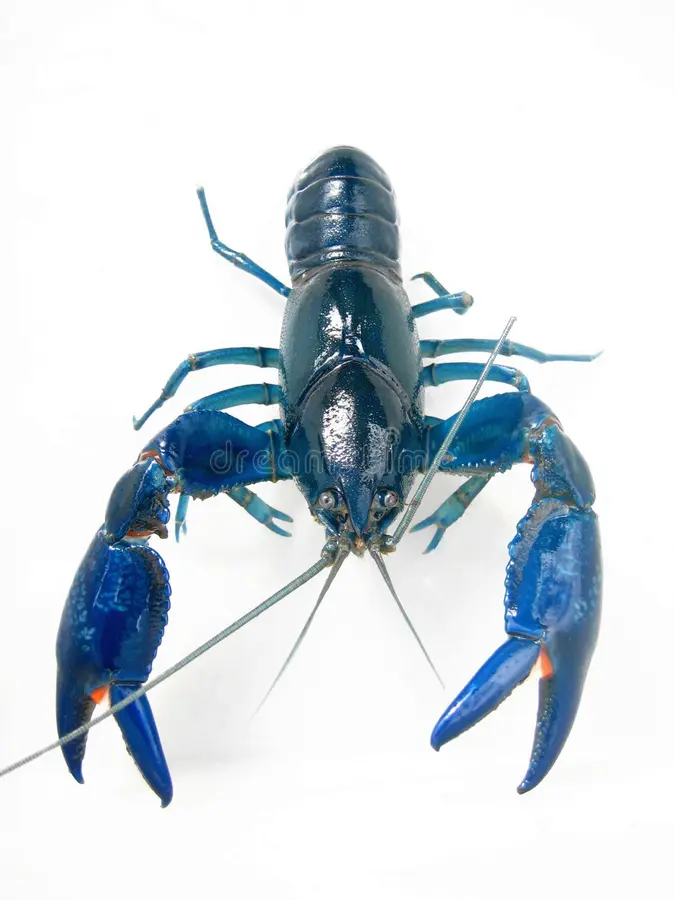
The Victorian Fisheries Authority has announced a two-year Bait Freshwater Yabby Permit Trial commencing on 1 September 2026. Permit holders will be able to collect and sell live freshwater yabbies as bait. The published limits are 250 yabbies per day and 500 in possession, with free permits available to applicants under 18. Yabbies must be sold live, accompanied by a sales receipt and clearly labelled as bait—not for human consumption.
SCA sees genuine merit in reconnecting young people with waterways, improving the lawful supply of local bait and supporting modest regional enterprise. However, a permit is not a training program. Participants—especially children—need clear instruction covering water safety, species identification, animal care, permitted waters and equipment, private-property access, biosecurity, recordkeeping, labelling, taxation and the responsibilities involved in selling a live product.
An official inconsistency must also be resolved. The VFA media release says daily catches must be recorded in a commercial permit logbook and submitted to VFA. The trial webpage FAQ says catch reporting will not be required. Participants, enforcement officers and the public should not have to choose between conflicting government statements.
Private videos and retailer communications have also appeared to explain the trial. These may help raise awareness, but only VFA can provide the authoritative interpretation of permit conditions. SCA has asked whether any private material was commissioned, reviewed or authorised by VFA and what formal role consultation participants held.
SCA action
SCA has written to VFA Senior Project Manager Andrew Briggs, with copies to the VFA Board Chair and relevant government, opposition and crossbench representatives. We have requested mandatory induction, appropriate adult supervision for applicants under 18, consistent reporting requirements, biosecurity and traceability controls, transparent consultation records, an authoritative permit guide and an early review rather than waiting until September 2028.
SCA’s position: tentative and constructive support—teach first, permit second. Let us give the trial every opportunity to succeed by putting the necessary foundations in place before problems arise.
VFA — Bait freshwater yabby permit trial: https://vfa.vic.gov.au/recreational-fishing/bait-freshwater-yabby-permit-trial
7. What this week’s work achieved
- A reported public-health incident was converted into a careful evidence and education process without prejudging the investigation.
- Outdated New Zealand-origin material for an Australian Blue Grenadier product was identified and removed.
- AFMA clarified the boundary between public fisheries data and private branded-product traceability.
- MSC was supplied with the new evidence and asked to explain the assurance pathway.
- The ACCC identified the likely ministerial pathway and explained why case-by-case enforcement is difficult.
- FSANZ was formally asked to begin the process of placing AS 5300 within the Food Standards Code.
- The issue was escalated across competition, consumer affairs, agriculture, fisheries and food standards portfolios.
- The VFA bait-yabby trial was reviewed and SCA sought practical safeguards before implementation.
8. What happens next
- Await verified findings from Queensland Health on the reported ciguatera incident.
- Obtain Simplot’s current package images and exact country-of-origin wording.
- Seek MSC’s substantive response within the requested timeframe.
- Await the detailed ACCC response and continue building court-capable market evidence.
- Seek FSANZ’s formal advice on the standards-development pathway.
- Follow up the offices of Minister Collins and Assistant Minister Leigh and pursue a coordinated national roundtable.
- Seek VFA’s response on training, supervision, reporting, biosecurity and governance of the bait-yabby trial, and use this and the other cases as practical I-CADMUS learning material about evidence, verification, correction and proportionate escalation.
| SCA’s message: An independent consumer organisation does not need to begin with an accusation. It needs to preserve evidence, ask the right organisation the right question, recognise constructive correction and continue until the remaining gaps are answered. |
9. Also on the seafood radar
Fish habitat investment: VFA reported completion of the $2.5 million Fish Habitat Improvement Fund grants program supporting marine, estuarine and freshwater habitat. Healthy habitat is foundational to productive fisheries and long-term consumer access to seafood.
Fisheries enforcement: VFA has reported that a woman was charged over the alleged sale of recreationally caught black bream. The matter is before the court, and the allegation has not been proven. The case nevertheless reinforces the importance of keeping recreational catch outside commercial supply chains unless specifically authorised.
VFA news: https://vfa.vic.gov.au/about/news
Help SCA build the evidence
If you see apparently inconsistent seafood names, origins, labels, menus or online claims, photograph the information and retain the date, place, product code and receipt where possible. Send SCA a short explanation to email seafoodsdg@outlook.com with the Subject: Evidence. Responsible evidence helps us recognise good practice, correct errors and identify systemic problems fairly.
Twenty-six million voices. One seafood future.
Comments
No comments yet.