
Why Scrapping the Free Fishing Rod Scheme is a Win for Resource Common Sense
The Victorian Government has pulled the pin on its flagship Little Fishers initiative—a multi-million-dollar program designed to hand out free fishing kits and tackle boxes to every Grade 5 primary school student across the state.
Initially promoted by the Victorian Fisheries Authority (VFA) with a budget allocation running into millions of dollars of public and recreational licence funds, the mass giveaway was framed as a way to get the next generation outdoors. However, the decision to wind up the rollout reflects growing community, environmental, and budgetary pushback against what many viewed as a flawed, wasteful policy.
1. The Flawed Premises: Plastic Waste, Discarded Gear & Animal Welfare
From its inception, the blanket distribution of tens of thousands of cheap, mass-manufactured plastic fishing rods drew sharp criticism from conservationists, coastal community groups, and experienced fishers alike:
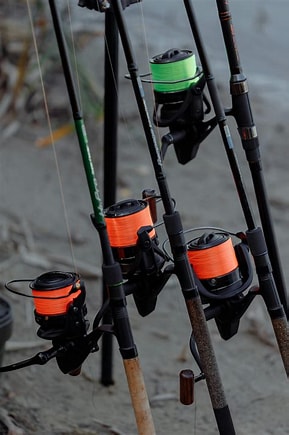
- Abandoned Gear & Environmental Litter: Critics warned from day one that handing complex fishing gear to children without mandatory supervision or ongoing education would lead to thousands of cheap rods, monofilament line, and lead sinkers ending up abandoned in waterways, snagging birdlife, or heading straight to landfill.
- Ethics and Animal Welfare Without Training: Unlike European models—where mandatory education on fish biology, humane handling, and ethical dispatch is required before anyone touches a line—the Victorian scheme simply handed out hardware without teaching basic aquatic stewardship.
- The "One-Size-Fits-All" Illusion: A significant proportion of the distributed rods were never taken to a riverbank, sitting forgotten in garden sheds while public funds were depleted.
2. A Skewed Focus: Recreation Over Sovereign Food Security
The end of the free rod scheme highlights a much broader, systemic issue in state fisheries management.
For years, agencies like the VFA have shifted focus and funding toward recreational promotion, stocking cosmetic angling lakes, and publicity giveaways—while simultaneously winding back commercial wild-harvest access.
This creates an untenable distortion:
- The Silent Majority: The vast majority of Victorians are seafood consumers, not recreational anglers. They rely on sustainable, professional commercial fishers and aquaculture producers to supply fresh, healthy, local aquatic protein.
- Resource Misallocation: Millions of dollars spent on subsidised recreational hardware could have been far better invested in whole-of-catchment restoration, establishing commercial processing hubs for invasive species like European carp, or modernising domestic food safety and labelling standards.
3. The Path Forward: Educate and Value the Resource
Scrapping the untargeted rod giveaway is an opportunity to reset the agenda.
If government wants to connect young Australians to our aquatic resources, it should not be through plastic handouts. It should be through comprehensive ocean and river literacy in the school curriculum—teaching children where their food comes from, how marine ecosystems function, the importance of sustainable commercial harvest, and the nutritional value of aquatic foods.
Australia's aquatic resources are a common community asset meant to feed and sustain the entire population, not a promotional gimmick.
Comments
No comments yet.