This week, November 11–15, 2025, is Australian Food Safety Week. It’s the perfect time to talk about food recalls—not just how we find out about them, but why they happen, and what we can do in our own homes to keep our favourite seafood safe. Where does seafood fit in the scheme of things?
Your involvement as a consumer is more crucial than ever. The data shows it.
The Recall Reality: What’s Triggering the Alerts?
Looking at the latest food recall statistics from Food Standards Australia New Zealand (FSANZ) for the period 2020–2024, a clear picture emerges:
Undeclared Allergens Dominate: The single biggest reason for a food recall is the presence of an undeclared allergen, accounting for up to 57% of all recalls in recent years. This often results from labelling errors or ingredient changes not communicated up the supply chain.
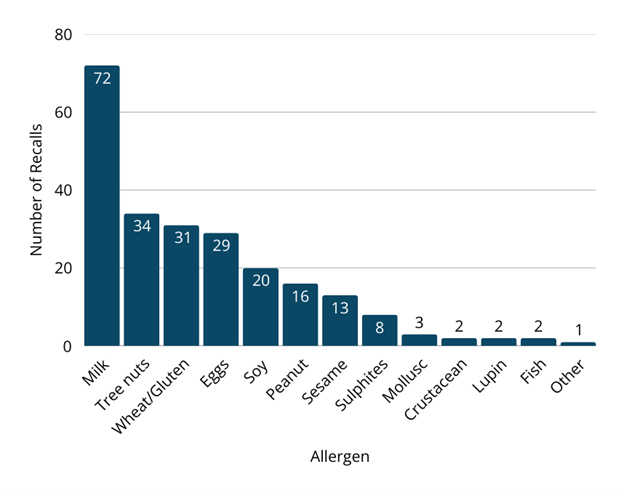
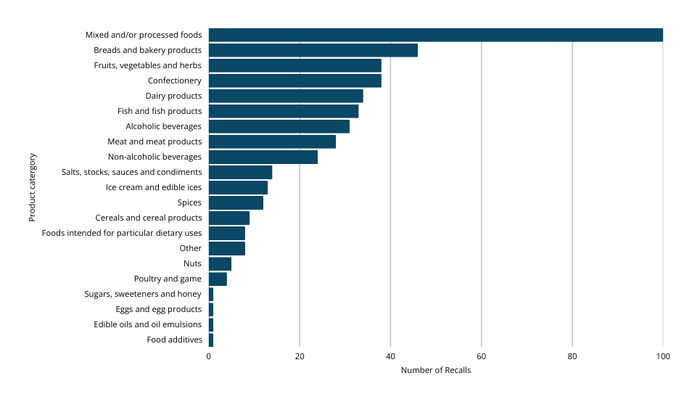
- Processed Foods are High Risk: The most frequently recalled category for allergen issues! Mixed and/or processed foods (over one-third of cases). This category includes pre-made meals, stir-fry kits, and yes—packaged prawns with sauce. (see our blog - How to Navigate Food Recalls & "Mystery Meat" Seafood Labels in Australia).
- Microbial Threats are Serious: Microbial contamination (bacteria, viruses) remains a major issue, leading to over 90 recalls in the same period. Key culprits are Listeria and Salmonella, which are constant concerns for fresh and ready-to-eat seafood.
Your Most Powerful Tool: Vigilance
One of the most revealing statistics is how recalls are detected. While company testing is a factor, the most common trigger for identifying an allergen issue is customer complaints.
This confirms a core truth: you, the consumer, are on the frontline of food safety. Your vigilance protects not only your own household but the entire community.
To help you move from simply reading labels to truly mastering seafood safety in the home, here are four key actions you can take, particularly during Food Safety Week:
1. Chill: Master the Temperature Danger Zone
The Food Safety Information Council (foodsafety.asn.au) emphasizes that the Temperature Danger Zone (5C to 60C) is where harmful bacteria multiply rapidly.
- Fridge Temperature: Use a thermometer to ensure your fridge runs at 5C or below. Many home fridges run warmer than people realise.
- Shopping Transport: Never leave chilled seafood, especially pre-cooked prawns or smoked salmon, sitting in a hot car. Use a cooler bag with ice blocks for the trip home, even if it's a short drive.
- Storage Lifespan: Consume chilled/fresh seafood within 2 to 3 days of purchase to ensure optimal safety and quality.
2. Separate: Prevent Cross-Contamination
Cross-contamination is a silent risk, especially with raw seafood:
- Bottom Shelf Rule: Always store raw seafood (and other raw meats) on the bottom shelf of your fridge in a rigid, leak-proof container. This prevents juices, which may contain bacteria, from dripping onto ready-to-eat items like salad ingredients or pre-cooked seafood.
- Separate Utensils: Use different chopping boards, knives, and utensils for preparing raw seafood versus cooked or ready-to-eat foods.
3. Vulnerable Groups: Be Listeria-Aware
If you are cooking for a vulnerable person (pregnant women, the elderly, or those with reduced immune systems), vigilance against Listeria monocytogenes is paramount. These groups should avoid:
- Raw seafood (e.g., raw oysters, sashimi and sushi).
- Cold, pre-cooked prawns or similar deli-style seafood and seafood salads.
- Website: www.foodstandards.gov.au/food-recalls - You can subscribe there
- What you'll find: Every notice clearly states the product name, description, size, batch numbers/best-before dates affected, the precise reason for the recall (e.g., "undeclared milk," "Listeria contamination"), and the crucial action for consumers (e.g., "return to store for a full refund," "do not consume and dispose of product").
If consuming prawns, ensure they are thoroughly cooked to 63oC or above.
4. Know Your Sources: Recall Subscription
Finally, to bridge the gap between manufacturer error and consumer protection, use the official national alert system:
Subscribe to FSANZ: Every recall is coordinated by and published on their official website:
By embracing these simple yet critical steps this Food Safety Week, we empower ourselves to look beyond the vague labelling and ensure the seafood we consume is safe, fresh, and enjoyable.
Comments
XwxGxpsEiSOXXzTeoN
29 Mar 2026, 08:40 PM
UVdINOCYEBAenCLVZaatGGNa
QUnTIlVJypfOwPHvoMdRzed
20 Jan 2026, 03:30 AM
gCKvQahmhoKrasebCgL