
As David Attenborough celebrates his 100th birthday, it is worth reflecting not only on the extraordinary life of one of the world’s greatest communicators, but also on one of his enduring messages:
“I now understand the most important place on Earth is not on land, but at sea.”
For generations, Attenborough helped humanity see the oceans not simply as scenery, but as the living engine of our planet.
And perhaps nowhere is that lesson more important than in the global debate about food.
Because while the world talks endlessly about meat production, climate, sustainability, and feeding a population approaching 10 billion people, one of the most important protein systems on Earth is still often misunderstood:
Seafood.
Both wild harvest fisheries and aquaculture may become central to humanity’s future — nutritionally, environmentally, economically, and culturally.
Yet public understanding of seafood systems often remains surprisingly shallow.
The Scale of Humanity’s Protein Demand
The numbers behind global meat production are almost impossible to visualise.
Every day, humanity processes approximately:
- 202 million chickens
- 12 million ducks
- 3.8 million pigs
- 1.7 million sheep
- 1.4 million goats
- 900,000 cattle
That means roughly:
- 2,300 chickens every second,
- 44 pigs every second,
- and 10 cattle every second.
The global meat industry is estimated to be worth more than US$1.5 trillion annually, supporting millions of jobs across farming; transport; feed production; refrigeration; retail; exports; logistics and hospitality.
But these systems also sit at the centre of major debates around:
- carbon emissions,
- land and water use,
- animal welfare,
- food security,
- public health,
- and sustainability.
And increasingly, seafood is entering that conversation.
Seafood: The Forgotten Giant
Seafood is the world’s most traded food commodities and provides critical nutrition for billions of people.
Unlike land proteins, however, seafood comes from two very different systems:
- wild harvest fisheries,
- and aquaculture — the farming of aquatic species.
And this distinction matters enormously because aquaculture is still a remarkably young industry compared with traditional livestock agriculture.
Humans have farmed cattle, sheep, goats, and pigs for thousands of years. Modern intensive poultry systems have evolved over decades with advanced genetics, nutrition, and infrastructure.
But large-scale marine fish farming is still relatively new. Modern farming of Salmon, Barramundi, Kingfish and Tuna has really only accelerated in the past 30–50 years. Freshwater species like Carp, Tilapia and Basa/Pangasius have evolved as incredibly important but in many respects, aquaculture is still in its infancy.
And yet it may also represent one of humanity’s greatest food opportunities.
Why Fish Are Different
One of the biggest misunderstandings in the protein debate is that fish are often judged as if they were simply “animals underwater.” Imagination is required to understand because unlike land animals they are not in line of sight.
Biologically, fish are very different from cattle, pigs, and poultry.
Fish are cold-blooded.
They do not burn large amounts of energy maintaining body temperature the way mammals and birds do.
Fish also live in water, which naturally supports their body weight. They do not spend energy fighting gravity like land animals.
These two factors give many aquatic species extraordinary feed efficiency advantages.
Feed Efficiency: Seafood’s Hidden Advantage
Feed Conversion Ratio (FCR) measures how much feed is required to produce one kilogram of animal growth.
Approximate comparisons show:
- beef cattle may require 6–10 kg of feed,
- pork around 3–5 kg,
- poultry roughly 1.5–2 kg,
- while many farmed fish can achieve around 1–1.5 kg.
That is an extraordinary biological advantage.
And not all fish eat the same way.
Some species are carnivorous e.g. Salmon, Tuna, Kingfish.
Others are omnivorous e.g. Tilapia and Catfish.
And many are largely herbivorous or vegetarian e.g. Carp, Milkfish, Silver Perch.
Then there are shellfish such as Oysters, Mussels, Clams and Scallops - these species are perhaps the most fascinating of all because many require no manufactured feed whatsoever. Instead, they filter nutrients naturally from the water and, in some cases, may even improve local water quality.
From a sustainability perspective, these species along with aquatic plants (seaweed, etc) may become among the most important proteins of the future.
But Seafood Also Faces Challenges
None of this means seafood systems are perfect.
Wild fisheries face overfishing risks; illegal fishing; climate impacts; governance challenges and biodiversity pressures.
Aquaculture faces feed sustainability debates; disease management; coastal space conflicts; welfare questions and intense public scrutiny.
But perhaps the greatest challenge facing seafood is not production.
It is trust.
The Seafood Trust Gap
Consumers often understand cattle, sheep, or chickens because they have seen them all their lives.
Seafood is different.
Many consumers have never visited a fish farm; do not understand aquatic biology; confuse wild and farmed products; struggle to interpret seafood labels and receive conflicting media messages.
This creates uncertainty.
Ironically, aquaculture is often subjected to levels of scrutiny around issues such as sustainability; welfare; traceability; feed and transparency that many traditional protein systems rarely experience.
Yet for many species, aquaculture offers lower emissions, better feed efficiency, lower land use and highly nutritious protein.
The problem is that the industry has often struggled to explain itself clearly and the NGO’s have all brought their own stories which muddy the waters further.
The Future Will Belong to Trusted Protein Systems
The future of food may not be determined solely by which protein system produces the most food.
It may instead depend on which systems best combine nutrition, efficiency, transparency, sustainability, affordability and consumer trust.
That means the future winners may not simply be the cheapest producers.
They may be the most trusted.
And seafood has both enormous opportunity and enormous responsibility in that future.
Attenborough’s Ocean Legacy
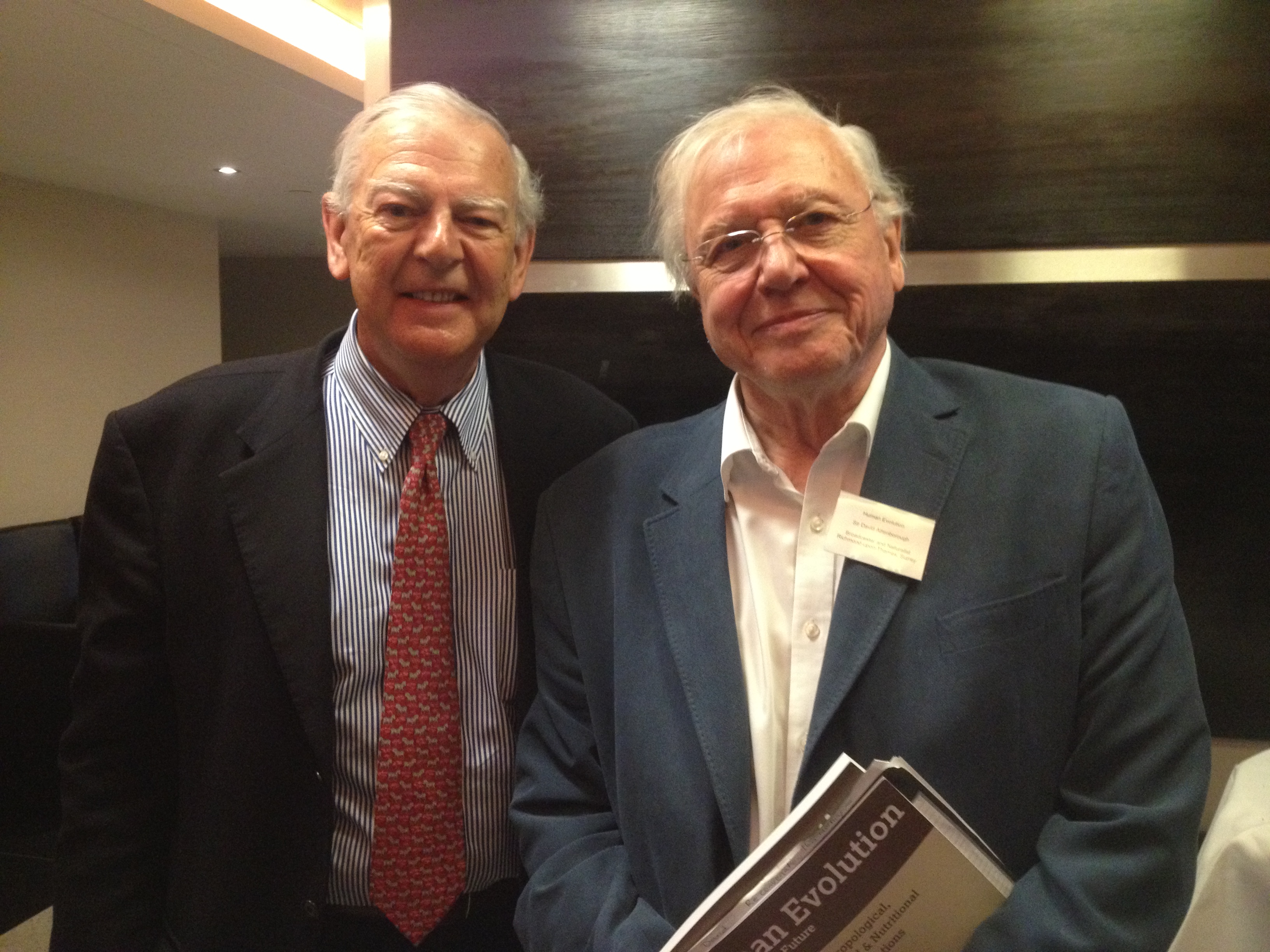
Throughout his career, David Attenborough repeatedly reminded humanity that the oceans are not separate from us — they are fundamental to our existence.
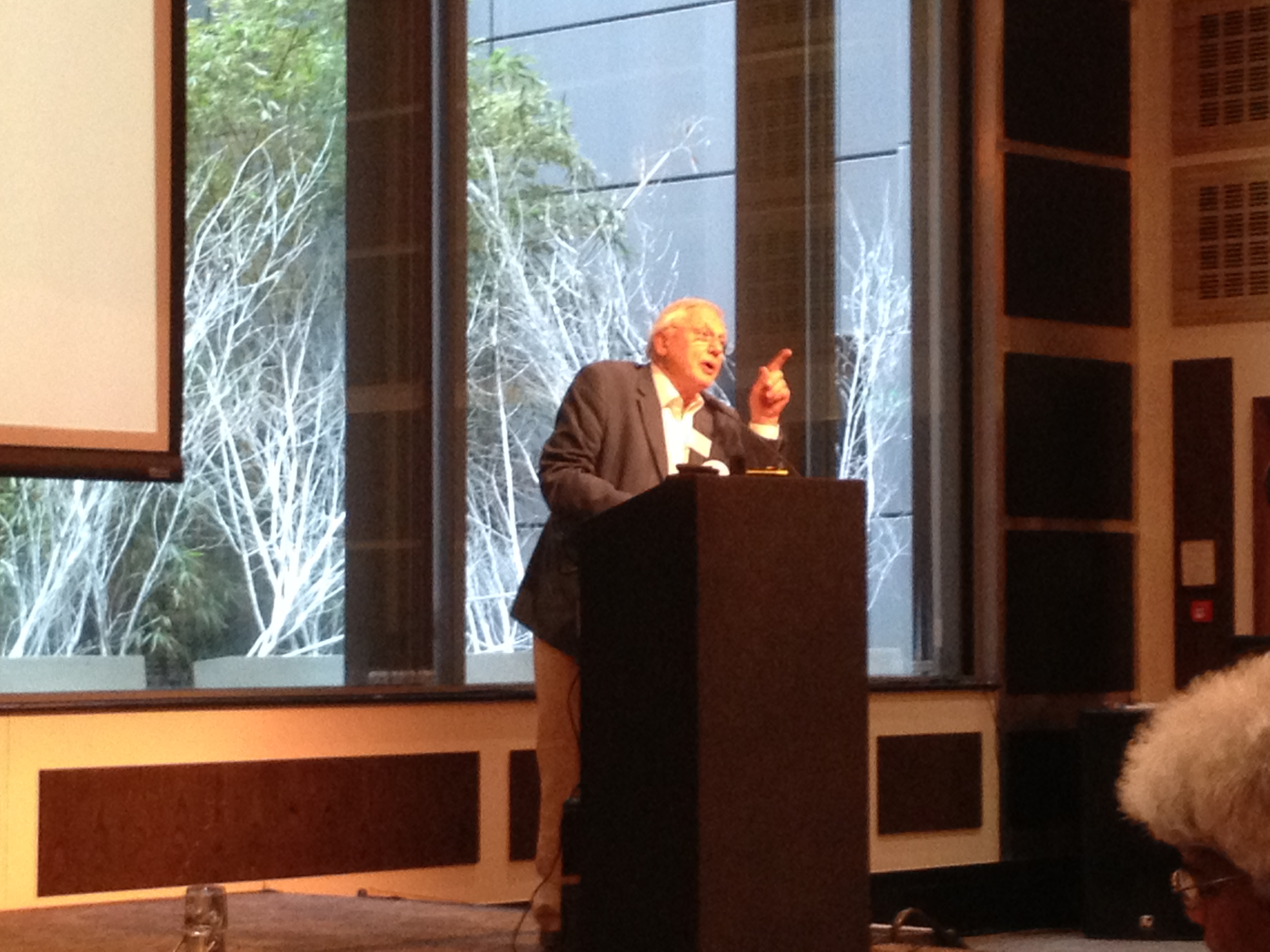
In many ways, humanity’s story began in the sea.
The oceans regulate climate, produce oxygen, sustain biodiversity, and increasingly help feed the future.
But as Attenborough has spent a lifetime warning, understanding nature is essential before we can manage it wisely.
That lesson applies directly to seafood.
Consumers deserve truthful information, accurate fish names, transparent supply chains, balanced science, and practical understanding of both wild fisheries and aquaculture.
Because the future conversation is no longer simply:
“How do we produce more food?”
The real question is:
“How do we produce food systems people can trust?”
And on his 100th birthday, perhaps that is one of the greatest lessons Sir David Attenborough leaves for us all:
the future of humanity and the future of the oceans are inseparable.
Comments
No comments yet.